
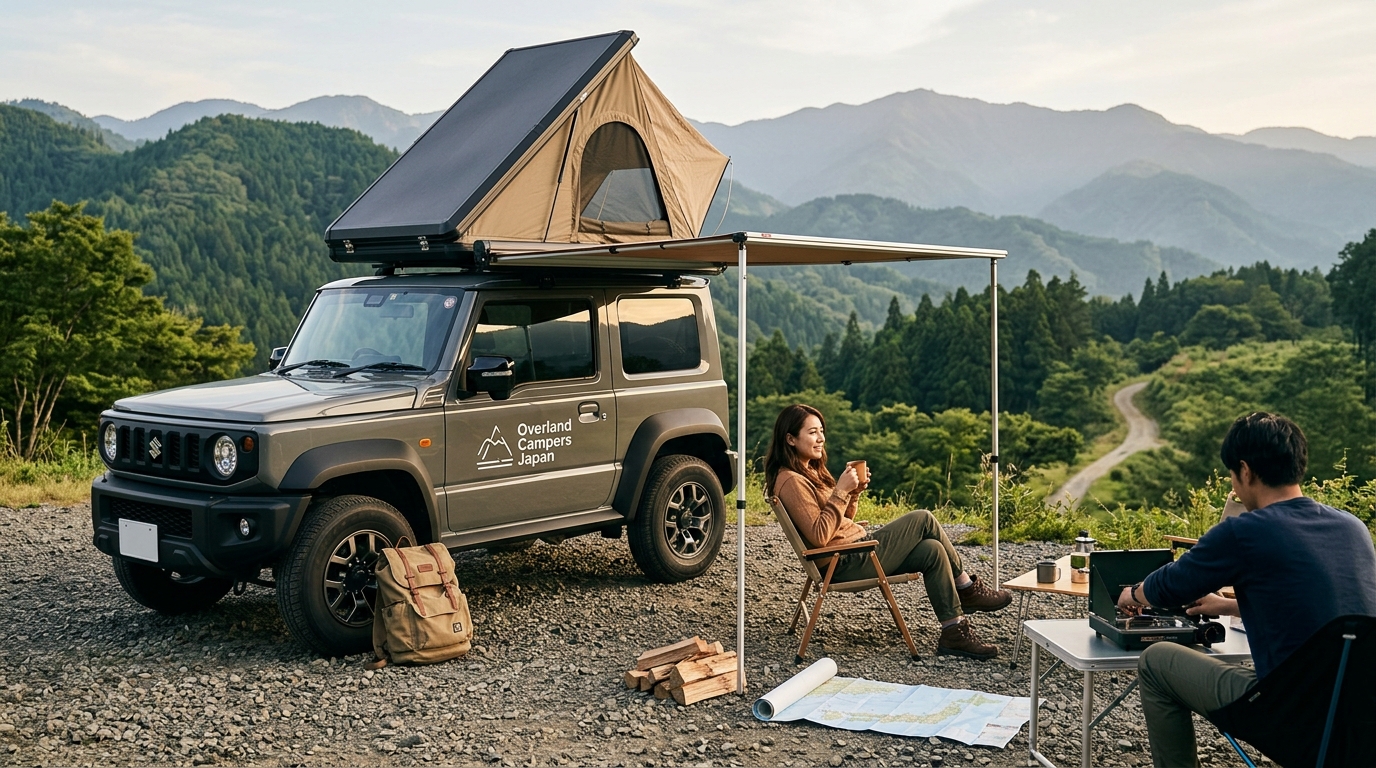
Planning a short overland journey requires precise routing and reliable equipment. Recent tourism data shows that short duration trips now account for nearly forty percent of all international visitor arrivals. This shift proves that travelers prioritize immersive experiences over lengthy itineraries. A focused three to five day window allows you to cover coastal highways, mountain passes, and remote campsites without rushing. You will need a capable vehicle, a logical route, and a clear packing strategy. This guide breaks down the exact steps to execute a seamless Japanese camper adventure. (Get in Touch with)
Selecting the Right 4x4 Platform
Choosing a vehicle dictates your entire travel radius. A 4x4 camper is a four-wheel-drive recreational vehicle equipped with sleeping quarters and utility systems. You must match the chassis to your intended terrain. Compact models like the Suzuki Jimny excel on narrow rural roads and steep mountain switches. Larger platforms like the Land Rover Defender handle heavy loads and extended highway stretches. Overland Campers Japan maintains a diverse fleet across Tokyo and Fukuoka to accommodate different group sizes. You can explore the complete lineup by visiting our Tokyo camper fleet page. Compact vehicles offer superior fuel efficiency and easier parking. Larger cabins provide standing room and expanded storage. Your choice directly impacts your daily mileage and campsite accessibility. (FAQ Your Japan Camper)
Designing a High-Value Itinerary
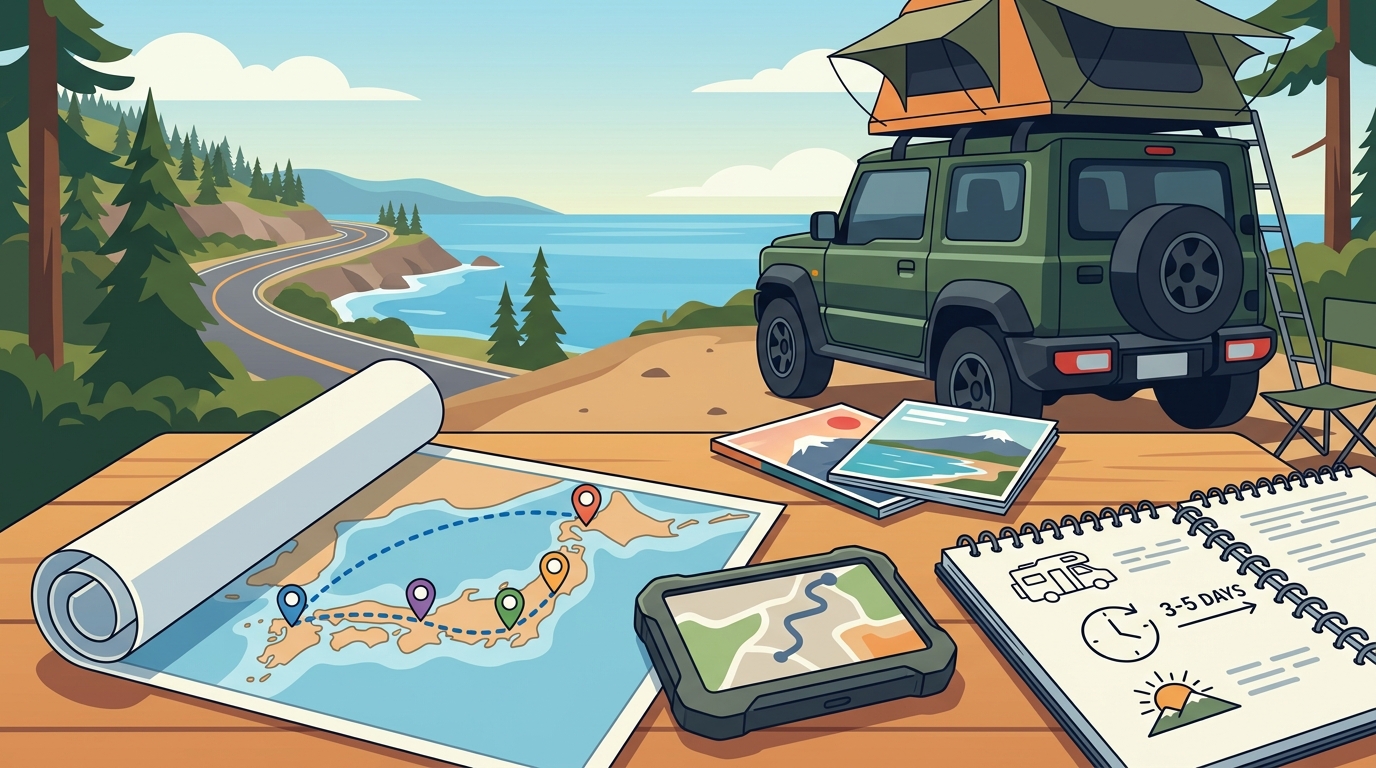
Short trips demand high-density routing. You should avoid backtracking and prioritize linear progression. A classic three-day loop starts in Tokyo, moves south along the Pacific coast, and returns via the central highlands. This route covers coastal cliffs, historic shrines, and geothermal hot springs. A five-day extension allows you to pivot toward the Japanese Alps or extend your journey toward the Fukuoka region. You can review our recommended paths on the Fukuoka base page. Linear routing minimizes fatigue and maximizes daylight exploration. You will encounter fewer traffic bottlenecks by avoiding major metropolitan centers during peak hours. Always map your overnight stops before departure. Remote campsites require advance verification and sometimes cash payments. (FAQ Your Japan Camper)
Mastering Rental Logistics and Permits
Administrative compliance separates amateur travelers from seasoned explorers. A rental agreement is a legally binding contract outlining vehicle usage limits, insurance coverage, and liability clauses. You must verify your international driving permit before arrival. Japanese law requires specific endorsements for vehicles exceeding standard passenger weight limits. Our streamlined booking process handles most documentation automatically. You can review the complete procedures on our travel information page. Always inspect the vehicle thoroughly before signing. Check tire tread depth, brake functionality, and rooftop tent deployment mechanisms. Document existing scratches with timestamped photos. This practice prevents unfair deposit deductions during return. You should also verify your insurance coverage limits before crossing remote mountain passes. (Learn more)
Essential Gear and Campsite Navigation
Self-sufficiency defines successful overland travel. A rooftop tent is a raised sleeping platform mounted directly to a vehicle roof rack. This design keeps you above damp ground and protects your gear from wildlife. Our standard packages include sleeping bags, portable stoves, and water filtration systems. You can browse additional equipment on our Jimny rental page. You must pack lightweight, multi-purpose tools to save cabin space. Collapsible chairs, compact cookware, and heavy-duty extension cords are mandatory. Always verify campsite amenities before arrival. Some locations provide electricity and fresh water. Others require complete off-grid self-reliance. You should carry backup power banks and extra fuel containers. Proper weight distribution prevents suspension damage on rough terrain. (Japan Campervan Rental 4x4)
Navigating Seasonal Weather Patterns
Japan experiences distinct seasonal shifts that directly impact road conditions. Spring brings cherry blossom crowds and unpredictable rain. Summer introduces typhoon season and extreme humidity. Autumn delivers crisp air and vibrant foliage along mountain routes. Winter demands snow chains and cold-weather tires for northern prefectures. Recent climate reports indicate that seasonal shifts are accelerating across coastal regions. You must monitor weather forecasts daily. Download offline mapping applications before entering remote areas. Cell service drops frequently outside major cities. Always carry physical maps and emergency communication devices. Your vehicle should include heated seats and reliable heating systems for winter travel. Proper layering and waterproof clothing prevent hypothermia during sudden temperature drops.
Understanding Pricing and Hidden Fees
Transparent pricing prevents budget overruns during short trips. A daily rental rate is the standard fee charged per twenty-four hour vehicle usage period. Base costs typically cover insurance, basic maintenance, and standard equipment. Additional fees apply for one-way drop-offs, extra drivers, and premium gear rentals. You can review our transparent pricing structure on our contact page. You should always request a detailed quote before confirming your booking. Look for hidden costs like highway tolls, campsite fees, and fuel deposits. Japanese expressways charge premium rates for short distances. You can save money by utilizing national highways and local roads. Always calculate your total trip cost before finalizing your itinerary. Budget accurately to avoid financial stress during your adventure.
Vehicle Comparison Overview
| Vehicle Model | Seating Capacity | Best Use Case | Key Advantage |
|---|---|---|---|
| Suzuki Jimny | Two to Three | Narrow rural roads and mountain passes | Superior maneuverability and fuel efficiency |
| Land Rover Defender | Four to Five | Extended highway stretches and heavy loads | Standing room and expanded storage |
| Toyota FJ Cruiser | Three to Four | Coastal exploration and beach access | Reliable four-wheel drive and durability |
| Toyota Hilux | Two to Three | Off-grid camping and remote terrain | Custom dual-cab tent configuration |
Key Takeaways
- Compact 4x4 platforms like the Suzuki Jimny dominate rural route navigation due to their narrow chassis and high ground clearance.
- Linear routing between Tokyo and Fukuoka minimizes backtracking and maximizes daily exploration time.
- Rooftop tents elevate sleeping quarters above damp ground, reducing wildlife encounters and moisture damage.
- International driving permits require specific endorsements for vehicles exceeding standard passenger weight limits.
- Seasonal weather shifts accelerate across coastal regions, requiring daily forecast monitoring and offline mapping.
- Transparent rental agreements cover standard insurance and maintenance, while one-way drop-offs incur premium fees.
- Base packages include sleeping bags, portable stoves, and water filtration systems for complete self-sufficiency.
Frequently Asked Questions
Can I pick up a camper in Tokyo and drop it off in Fukuoka?
Yes, our network supports one-way rentals between our Tokyo and Fukuoka bases. This option eliminates backtracking and saves valuable travel days. You will pay a standard one-way fee to cover vehicle relocation logistics.
What documentation do I need to legally drive a camper van in Japan?
You must carry a valid passport, your home country driver license, and an official International Driving Permit. Japanese law requires specific endorsements for vehicles exceeding standard passenger weight limits. Our team verifies all documentation during the handover process.
Are rooftop tents included in the standard rental package?
Absolutely. Every vehicle in our fleet ships with a deployed rooftop tent, sleeping bags, and basic kitchen equipment. You only need to pack personal clothing and toiletries. We handle all technical maintenance and safety inspections.
How do I locate safe overnight parking in remote areas?
You should utilize dedicated campsite directories and offline mapping applications. Many rural shrines and public rest areas permit overnight stays if you leave no trace. Always verify local regulations before parking. Our team provides curated campsite recommendations upon booking.
What happens if my vehicle breaks down during a remote trip?
Our fleet includes 24/7 roadside assistance and remote communication support. You will receive a dedicated emergency contact number during handover. Our technicians prioritize rapid response for mechanical failures. You can reach our support team directly through our contact page.
Is it safe to drive Japanese highways with a heavy camper load?
Modern expressways feature smooth surfaces and clear signage. You must adjust your speed and increase following distances when carrying heavy loads. Our vehicles undergo rigorous suspension testing before release. You can review our safety protocols on our FAQ page.
Start Your Japanese Overland Adventure
Planning a three to five day camper van journey requires precise routing, reliable equipment, and transparent pricing. You now possess the exact framework to execute a seamless Japanese road trip. Secure your preferred vehicle today and experience Japan unscripted. Visit our main booking portal to reserve your dates. Our team handles all technical preparations so you can focus on the open road. Book your adventure now and discover why thousands of travelers choose our fleet for short-term overland exploration.