
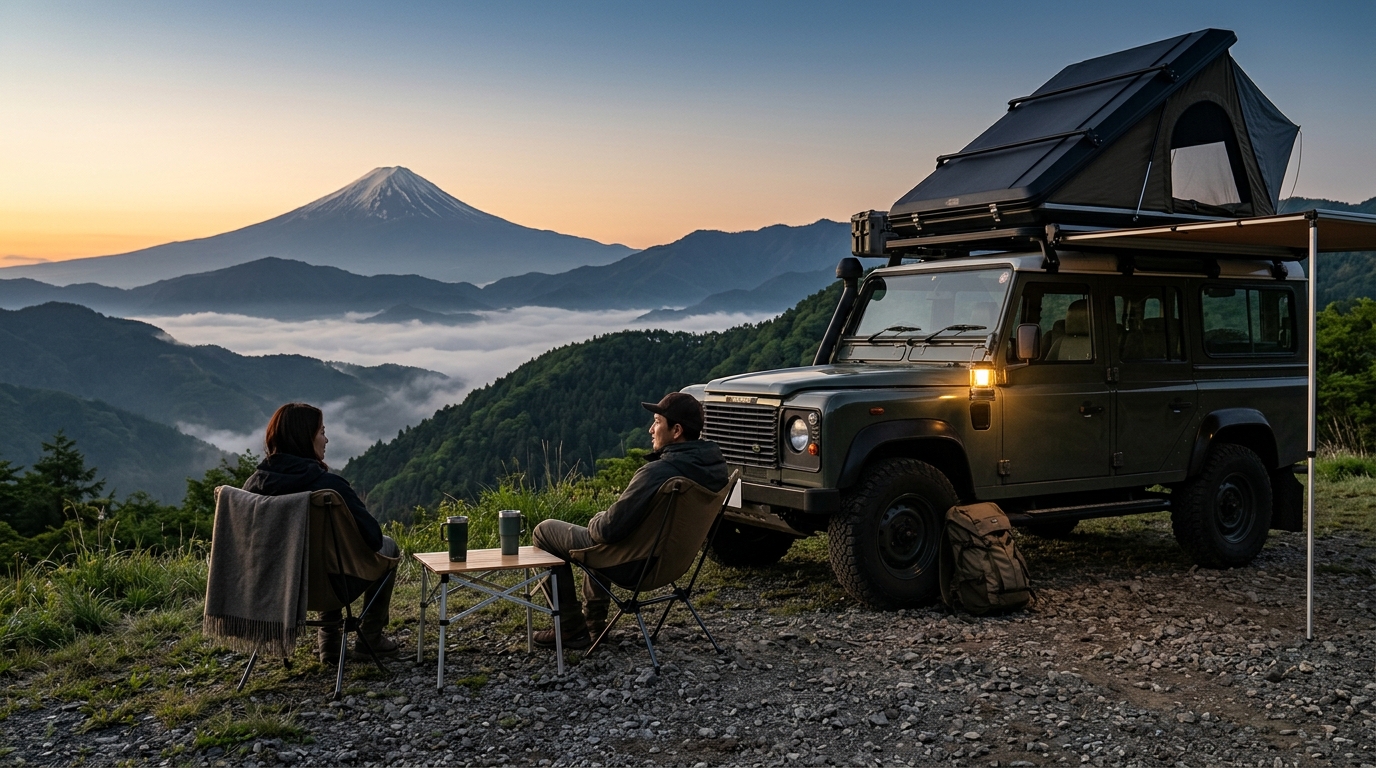
According to recent tourism data, domestic camper rental bookings have surged by over forty percent since 2022, making self-drive adventures the preferred travel method for modern explorers. Recent tourism data confirms that travelers increasingly prioritize flexible, self-contained mobility over rigid transit schedules. This shift has created a robust ecosystem for premium overland vehicle rentals across major Japanese hubs. Planning a three to five day journey requires careful vehicle selection, strategic routing, and strict adherence to rental protocols. The following framework outlines the exact steps to execute a seamless cross-country expedition. (Overland Japan)
Selecting the Right Overland Platform
An overland camper is a specialized four-wheel-drive vehicle engineered for off-grid travel and extended outdoor stays. Specialized four-wheel-drive platforms provide the necessary ground clearance and torque to navigate unpaved mountain passes and coastal dirt roads. You must match your group size to the cabin capacity and rooftop tent dimensions. The Tokyo Defender 110S accommodates five passengers with a spacious 130 by 215 centimeter rooftop sleeping area. Smaller groups often prefer the Suzuki Jimny Sierra, which offers agile handling and a 140 by 200 centimeter tent configuration. Vehicle specifications directly impact your daily mileage and parking convenience in dense urban centers.
Mapping a Strategic 3–5 Day Itinerary
A three to five day road trip around Japan requires balancing driving time with destination immersion. Most operators recommend starting in Tokyo or Fukuoka to minimize initial transit fatigue. Regional transit data indicates that drivers covering 150 to 200 kilometers daily experience optimal fatigue management. You can route from Tokyo toward the Japanese Alps, or launch from Fukuoka toward Kyushu volcanic landscapes. Each destination demands specific parking permits and overnight camping allowances. Always verify municipal zoning rules before securing your final night location.
Understanding Rental Pricing and Terms
Transparent pricing structures prevent unexpected financial friction during your booking process. Daily rates typically range from nineteen thousand eight hundred to thirty-three thousand Japanese yen depending on chassis size and seasonal demand. Seasonal pricing trends show peak surcharges during cherry blossom and autumn foliage windows. The minimum rental period is strictly two days, and all transactions require full upfront payment via credit card or designated digital wallets. Rental agreements outline liability boundaries, fuel return policies, and mandatory inspection checkpoints. Review the complete terms before confirming your reservation.
Essential Gear and On-Road Logistics
Camping equipment integration determines your comfort level during extended excursions. Every rental package includes a fully stocked kitchen module, portable power stations, and weather-resistant bedding. Standard equipment lists guarantee you can prepare hot meals and maintain device charging without relying on public infrastructure. You should verify water tank capacity and waste disposal procedures before departure. Proper weight distribution inside the cabin prevents suspension strain on steep gradients. Pack lightweight, compact items to maximize interior storage space.
Navigating Regional Regulations and Fuel Stops
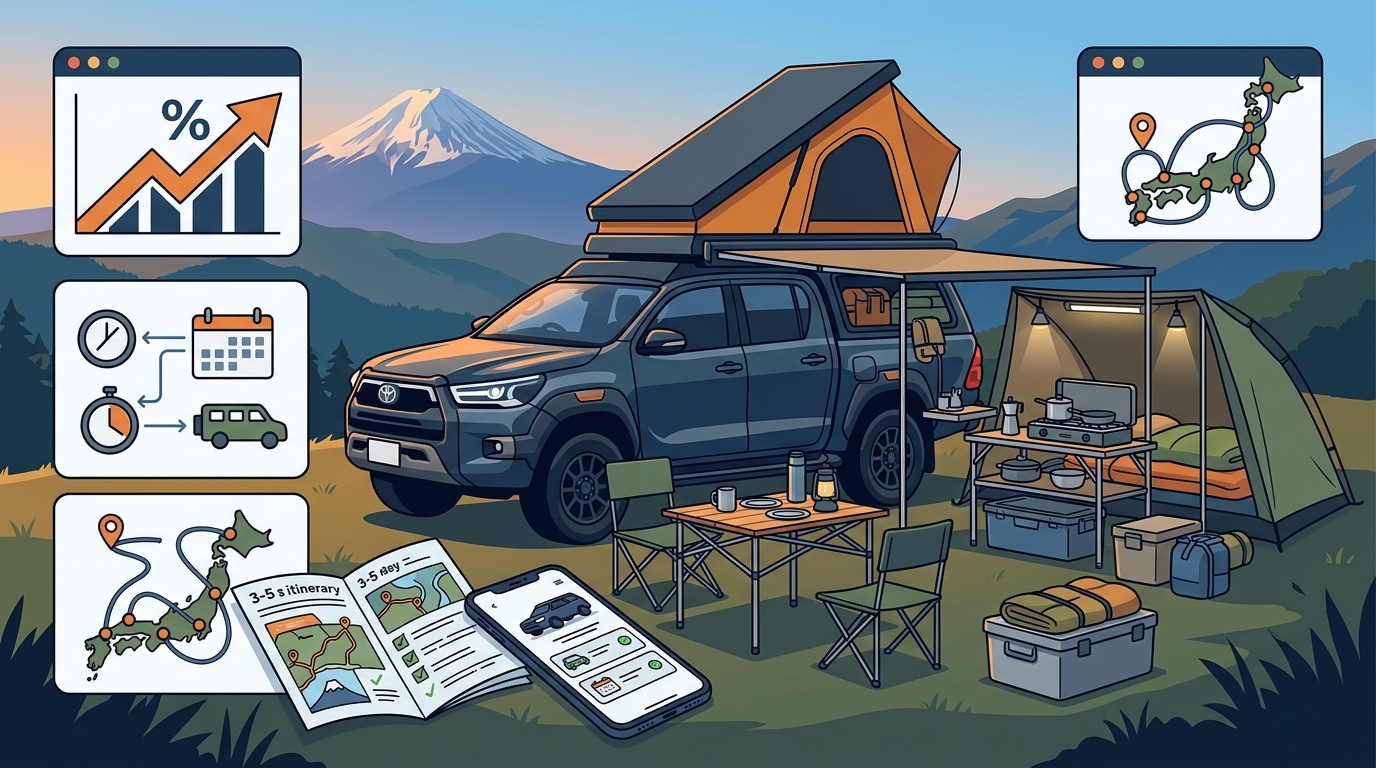
Compliance with local traffic laws ensures uninterrupted travel across prefectural borders. All rental vehicles operate on automatic transmissions and right-hand drive configurations to match domestic traffic flow. Domestic traffic regulations mandate strict adherence to speed limits and mandatory rest breaks on highways. Diesel and gasoline stations remain widely available along major arteries, but remote mountain routes require proactive refueling strategies. Keep your vehicle registration and insurance documents accessible at all times. Report any mechanical anomalies to the support team immediately to avoid penalty fees.
Key Takeaways
- Overland campers are specialized four-wheel-drive vehicles engineered for off-grid travel and extended outdoor stays.
- Domestic camper rental bookings have surged by over forty percent since 2022, making self-drive adventures the preferred travel method for modern explorers.
- Daily rental rates typically range from nineteen thousand eight hundred to thirty-three thousand Japanese yen depending on chassis size and seasonal demand.
- The minimum rental period is strictly two days, and all transactions require full upfront payment via credit card or designated digital wallets.
- Standard equipment lists guarantee you can prepare hot meals and maintain device charging without relying on public infrastructure.
- Regional transit data indicates that drivers covering 150 to 200 kilometers daily experience optimal fatigue management.
- All rental vehicles operate on automatic transmissions and right-hand drive configurations to match domestic traffic flow.
Frequently Asked Questions
Can I pick up the vehicle in Tokyo and drop it off in Fukuoka?
Yes, one-way rentals are available between the Tokyo and Fukuoka branches. You must submit your preferred dates through the reservation form to confirm vehicle availability and calculate the exact transfer fee.
What is the minimum rental duration for a camper van?
The minimum rental period is strictly two days. This policy ensures adequate time for vehicle inspection, safety briefings, and equipment setup before your departure.
Do the vehicles include rooftop tents and sleeping gear?
Every rental package includes a fully stocked kitchen module, portable power stations, and weather-resistant bedding. You can also request additional camping chairs or cooking appliances through the rental options page.
Is an international driving permit required to operate these vehicles?
Yes, all foreign drivers must present a valid International Driving Permit alongside their home country license. The permit must be issued within one year of your arrival date to remain legally valid.
How do I handle waste disposal and water refilling during the trip?
Camping equipment integration determines your comfort level during extended excursions. You must use designated dump stations at major rest areas or campgrounds. Refill your fresh water tank from municipal taps or purchased bottles to maintain hygiene standards.
What payment methods are accepted for the reservation?
All transactions require full upfront payment via credit card or designated digital wallets. The platform supports PayPay, Visa, and MasterCard for secure processing.
Can I modify my reservation after booking confirmation?
You may request schedule adjustments by contacting the support team directly. All changes require written approval and may trigger rate adjustments based on current inventory levels.
Book Your Adventure
Ready to execute your three to five day expedition? Secure your preferred chassis and departure date today. Secure your preferred chassis through the official booking portal to guarantee availability and receive your complete equipment checklist. Our team handles vehicle preparation, safety inspections, and route recommendations so you can focus on the journey. Visit the official website to complete your reservation and receive your digital rental agreement.