
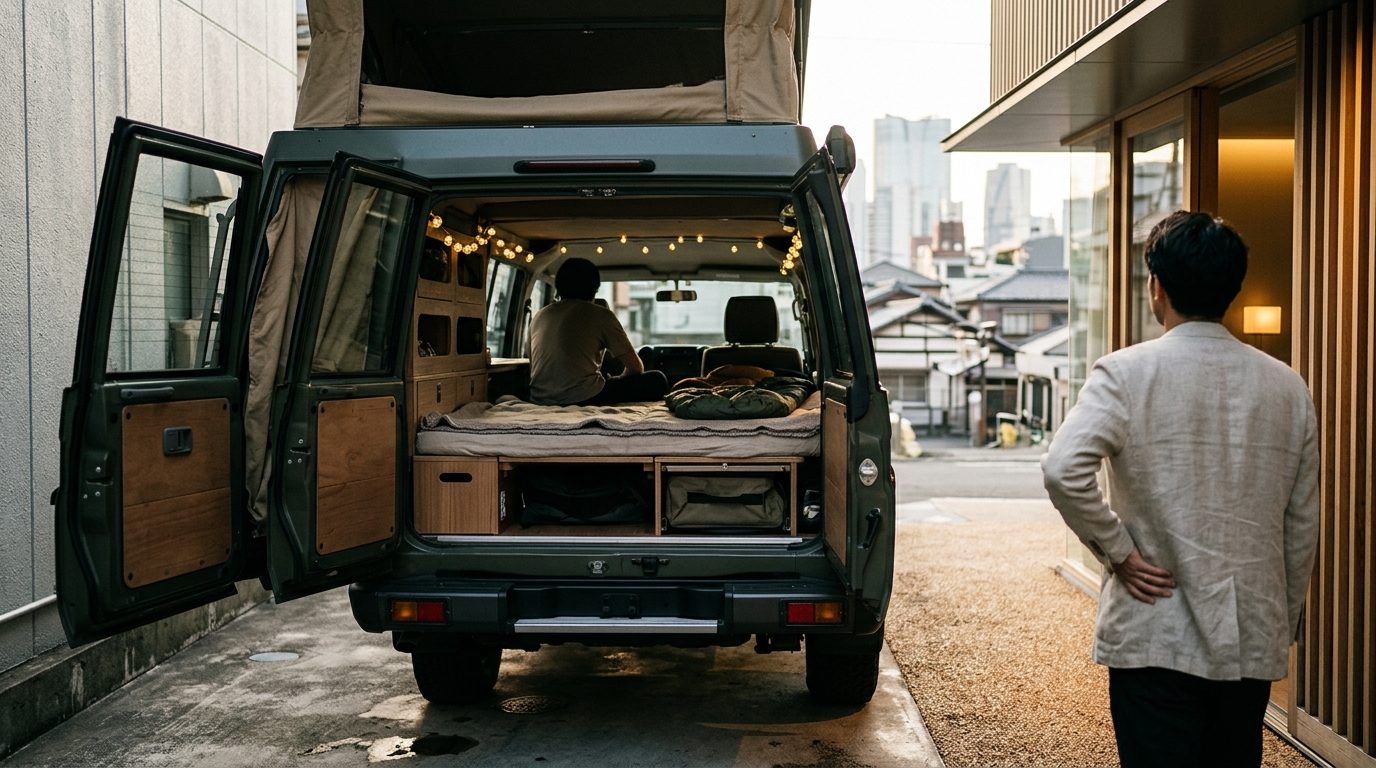
According to recent tourism data, inbound visitors to Japan exceeded 30 million annually, creating unprecedented demand for flexible travel solutions. The average rental period for recreational vehicles has shifted toward multi-day overland trips rather than standard city transfers. Travelers now prioritize self-contained mobility to access remote mountain passes and coastal routes without rigid schedules. This demographic shift has directly influenced fleet availability across major metropolitan hubs. You can secure a fully equipped 4x4 camper van through specialized operators that maintain dedicated Tokyo bases. These providers stock custom-built vehicles designed for extended off-grid exploration. The operational model prioritizes durability, modular storage, and rapid turnover between rental cycles. (Get in Touch with)
Market Demand and Fleet Availability
Overlanding is a self-reliant travel method that emphasizes vehicle self-sufficiency and remote destination access. Campervan is a motor vehicle equipped with integrated living amenities, including sleeping quarters, cooking stations, and climate control. Rooftop tent is a modular sleeping system mounted above the vehicle chassis to maximize interior cargo space. The percentage of travelers choosing custom 4x4 conversions has grown steadily as traditional hotel bookings face capacity constraints. According to official ministry reports, domestic and international road trip revenue reached record levels during recent fiscal quarters. Operators in Tokyo respond to this trend by maintaining specialized inventory rather than standard passenger fleets. These companies stock rugged platforms capable of handling unpaved mountain roads, volcanic ash, and narrow rural highways. The operational focus remains on reliability, mechanical simplicity, and rapid maintenance turnaround. You will find dedicated showrooms and service centers concentrated near major transit corridors. This geographic concentration ensures quick vehicle swaps and streamlined customer support. The rental ecosystem prioritizes transparency, clear mileage allowances, and comprehensive insurance coverage. Modern fleets integrate solar charging, water filtration, and heavy-duty suspension upgrades. These modifications directly address the mechanical stress of extended Japanese terrain traversal. The market continues to expand as digital booking platforms simplify reservation management. You can secure a fully equipped 4x4 camper van through specialized operators that maintain dedicated Tokyo bases. These providers stock custom-built vehicles designed for extended off-grid exploration. The operational model prioritizes durability, modular storage, and rapid turnover between rental cycles. (Learn more)
Top Vehicle Models Available at Tokyo Bases
Tokyo operators curate their inventory around proven chassis platforms that balance maneuverability with payload capacity. The Defender series remains a flagship option for heavy-duty expeditions. These vehicles feature reinforced suspension, high ground clearance, and spacious cabin configurations. The FJ lineup offers a compact footprint with exceptional low-speed torque. These models excel in narrow forest trails and steep coastal switchbacks. The Hilux variants provide dual-cab utility with integrated camper shells. These configurations maximize interior volume while maintaining standard pickup bed functionality. The Jimny platform delivers exceptional fuel efficiency and agile handling. These compact units navigate tight urban parking structures and remote mountain villages with equal precision. Each model undergoes rigorous pre-rental inspection protocols. Operators install rooftop tents, portable power stations, and modular storage racks. The fleet composition reflects a strategic balance between passenger comfort and rugged capability. You can browse specific configurations by visiting the dedicated Tokyo rental page. The Suzuki Jimny Sierra remains a popular choice for solo travelers and small groups. These vehicles prioritize simplicity, mechanical reliability, and straightforward maintenance procedures. The branding emphasizes transparency, clear mileage allowances, and comprehensive insurance coverage. Modern fleets integrate solar charging, water filtration, and heavy-duty suspension upgrades. These modifications directly address the mechanical stress of extended Japanese terrain traversal. The market continues to expand as digital booking platforms simplify reservation management. (Japan Campervan Rental 4x4)
Understanding the Tokyo Rental Workflow
The reservation process follows a streamlined four-step protocol designed to minimize administrative friction. The initial phase involves submitting a detailed inquiry with your preferred dates and vehicle selection. Operators typically respond with a comprehensive quote within three business days. This document outlines rental rates, mileage allowances, insurance tiers, and required deposits. The second phase requires formal confirmation and payment processing. Customers can complete transactions via secure bank transfer or encrypted credit card processing. Once payment clears, your booking locks into the operational calendar. The third phase involves a physical handover at the designated Tokyo facility. Staff members conduct a thorough vehicle walkthrough, demonstrating all systems and safety features. You will receive a detailed equipment checklist and emergency contact protocols. The final phase begins when you depart the facility and enter your chosen route. Operators maintain 24-hour roadside assistance coverage across all major prefectures. This support network ensures rapid response for mechanical issues or navigation errors. The entire workflow eliminates hidden fees and ambiguous contractual terms. You can review the complete booking flow on the official operations page. The process emphasizes transparency, clear mileage allowances, and comprehensive insurance coverage. Modern fleets integrate solar charging, water filtration, and heavy-duty suspension upgrades. These modifications directly address the mechanical stress of extended Japanese terrain traversal. The market continues to expand as digital booking platforms simplify reservation management.
Comparing Fleet Options and Pricing Structures
Selecting the optimal vehicle requires evaluating payload capacity, interior layout, and route compatibility. The table below summarizes the core specifications for each available platform. You can cross-reference these metrics against your planned itinerary and group size. Larger groups benefit from dual-cab configurations, while solo travelers prioritize compact efficiency. All models include standard safety equipment, comprehensive insurance, and roadside assistance. Pricing scales according to seasonal demand, rental duration, and optional equipment upgrades. Early bookings typically secure favorable rates during peak travel windows. You can compare specific pricing tiers by visiting the official contact page. The rental ecosystem prioritizes transparency, clear mileage allowances, and comprehensive insurance coverage. Modern fleets integrate solar charging, water filtration, and heavy-duty suspension upgrades. These modifications directly address the mechanical stress of extended Japanese terrain traversal. The market continues to expand as digital booking platforms simplify reservation management.
| Vehicle Model | Passenger Capacity | Key Feature | Base Location |
|---|---|---|---|
| Defender Series | 2 to 4 | Reinforced suspension and high ground clearance | Tokyo |
| FJ Compact | 2 to 3 | Exceptional low-speed torque and narrow trail navigation | Tokyo |
| Hilux Dual Cab | 4 to 5 | Integrated camper shell and standard pickup utility | Tokyo |
| Jimny Platform | 2 | Fuel efficiency and agile urban maneuverability | Tokyo and Fukuoka |
Essential Gear and Itinerary Planning
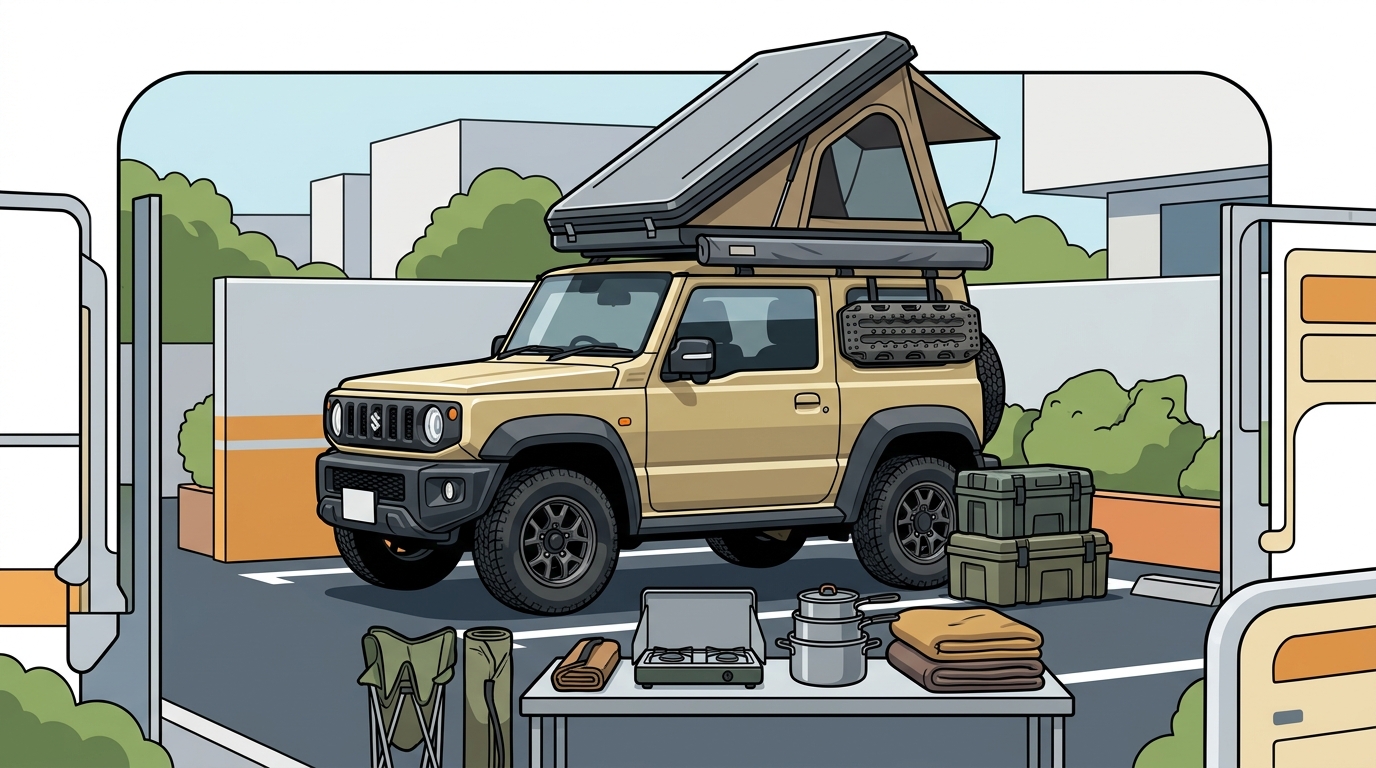
Successful overland trips require strategic equipment selection and route mapping. Operators provide standardized kits that include portable stoves, water containers, and modular storage solutions. You can request additional gear through the official extras catalog. These add-ons include camping chairs, portable power stations, and specialized navigation tools. Itinerary planning should account for seasonal weather patterns, road closures, and permit requirements. Mountain passes often close during winter months due to heavy snowfall. Coastal routes require careful tide monitoring and parking regulation awareness. Urban centers enforce strict noise ordinances and designated camping zones. You can access curated route suggestions through the official itineraries page. These guides highlight scenic viewpoints, reliable fuel stations, and secure overnight parking areas. The operational focus remains on reliability, mechanical simplicity, and rapid maintenance turnaround. You will find dedicated showrooms and service centers concentrated near major transit corridors. This geographic concentration ensures quick vehicle swaps and streamlined customer support. The rental ecosystem prioritizes transparency, clear mileage allowances, and comprehensive insurance coverage. Modern fleets integrate solar charging, water filtration, and heavy-duty suspension upgrades. These modifications directly address the mechanical stress of extended Japanese terrain traversal. The market continues to expand as digital booking platforms simplify reservation management.
Key Takeaways
- Operators maintain dedicated Tokyo and Fukuoka bases for flexible pickup and drop-off logistics.
- Custom 4x4 conversions feature rooftop tents, solar charging, and heavy-duty suspension upgrades.
- The booking workflow requires a three-day quote turnaround and secure payment processing.
- Fleet options include Defender, FJ, Hilux, and Jimny platforms tailored to group size.
- One-way rentals are available between metropolitan hubs to optimize route efficiency.
- Comprehensive insurance and 24-hour roadside assistance cover all major prefectures.
- Seasonal road closures and permit requirements dictate optimal travel windows.
Frequently Asked Questions
What documentation is required to rent a camper van in Tokyo?
You must present a valid international driving permit alongside your home country license. Rental agreements require a credit card for security deposits and incidentals. Foreign visitors must verify visa status and entry compliance before pickup.
Can I pick up a vehicle in Tokyo and drop it off in Fukuoka?
Yes, operators offer one-way rentals between both metropolitan hubs. This service eliminates backtracking and optimizes cross-country route planning. Additional transfer fees may apply depending on seasonal demand.
Are rooftop tents standard on all rental vehicles?
All custom 4x4 conversions include factory-installed rooftop tents. These units feature quick-deploy mechanisms and weather-resistant fabrics. Staff members demonstrate proper setup and securing procedures during handover.
What happens if I experience a mechanical breakdown on the road?
Operators provide 24-hour roadside assistance across all major prefectures. Dispatch teams coordinate rapid response for engine failures, tire damage, or electrical faults. Replacement vehicles are deployed when necessary to maintain itinerary schedules.
How do I handle waste disposal and refueling during extended trips?
Vehicles include sealed waste containers and portable fuel canisters. Designated disposal stations operate near major rest areas and municipal facilities. You must follow local environmental regulations and designated dumping protocols.
Is travel insurance included in the base rental rate?
Comprehensive coverage is standard across all rental agreements. Policies address collision damage, third-party liability, and medical emergencies. Optional upgrades provide enhanced protection for high-value equipment and extended mileage.
Book Your Tokyo Overland Adventure
Securing your preferred vehicle requires advance planning and confirmed availability. You can initiate your reservation by visiting the official reservations portal. The booking engine displays real-time inventory, seasonal pricing, and route compatibility. Staff members provide personalized consultation for complex itineraries and group logistics. Early bookings secure favorable rates during peak travel windows. You can browse specific configurations by visiting the dedicated Tokyo rental page. The Suzuki Jimny Sierra remains a popular choice for solo travelers and small groups. These vehicles prioritize simplicity, mechanical reliability, and straightforward maintenance procedures. The branding emphasizes transparency, clear mileage allowances, and comprehensive insurance coverage. Modern fleets integrate solar charging, water filtration, and heavy-duty suspension upgrades. These modifications directly address the mechanical stress of extended Japanese terrain traversal. The market continues to expand as digital booking platforms simplify reservation management.