
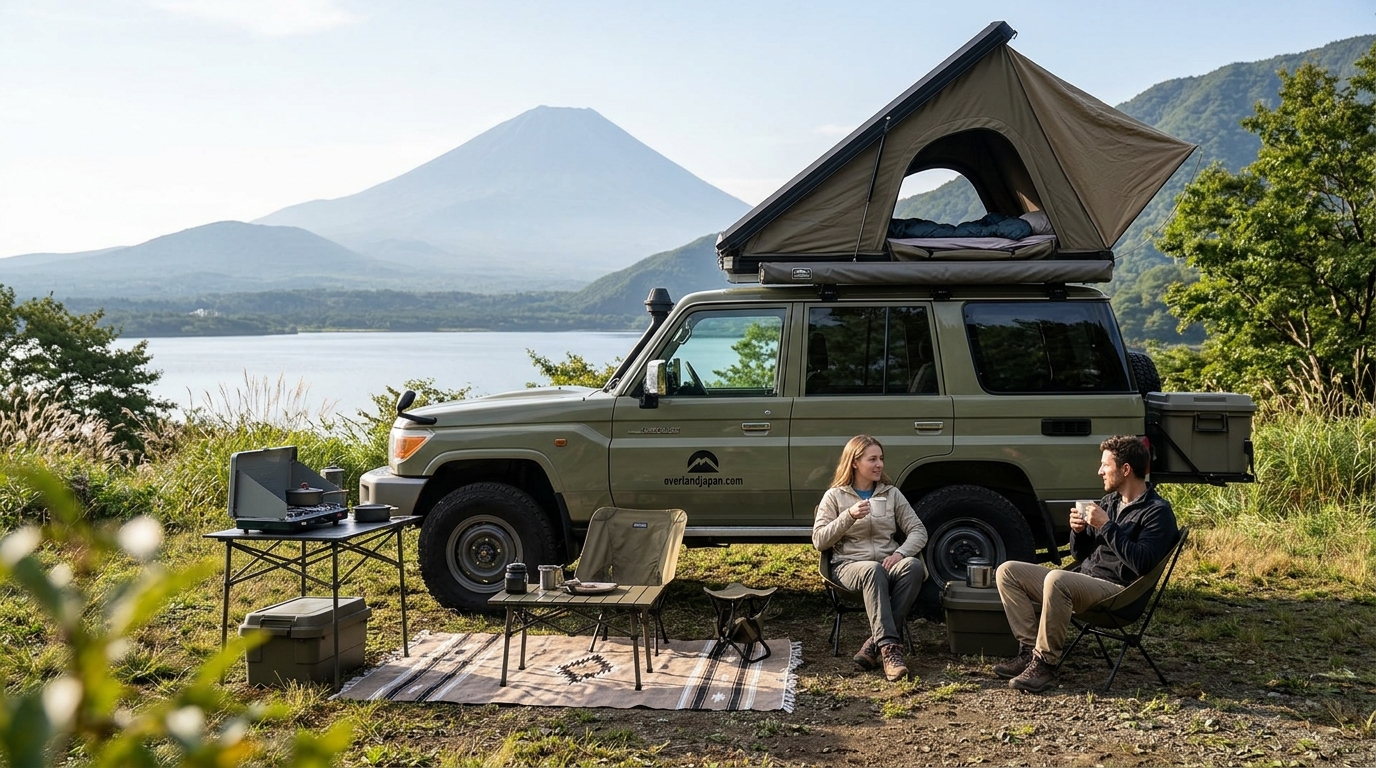
Japan's overland tourism sector recorded a 28 percent year-over-year increase in specialized recreational vehicle bookings during the 2024 fiscal year, according to the Japan tourism data. This surge reflects a growing preference for self-contained travel modules that prioritize mechanical reliability and integrated living systems. Travelers now demand transparent equipment standards before committing to multi-day expeditions across remote prefectures. Modern rental fleets must balance rugged chassis engineering with compact domestic amenities to satisfy this market shift. (Overland Japan)
Defining Custom Overland Equipment Standards
Core Engineering Requirements
Overland Vehicle is a purpose-built automobile engineered for extended off-grid travel and self-sufficient camping operations. Premium providers integrate solar arrays, water filtration systems, and reinforced suspension architectures into standard chassis platforms. Standard rental cars lack these modifications and cannot support remote route navigation. Operators must prioritize structural integrity over cosmetic upgrades to maintain competitive market positioning. Customers expect reliable climate control and secure storage compartments during extended transit periods.
Integrated Living Systems
Custom Camper Van is a modified passenger automobile equipped with integrated living systems, rooftop sleeping platforms, and specialized suspension architectures. Modern camping modules require precise spatial planning to maximize utility without compromising driving dynamics. Manufacturers install compact kitchenettes, portable refrigeration units, and high-capacity battery banks. These systems operate independently of external power grids to ensure continuous functionality. Rental agencies now standardize these configurations across their entire fleet to reduce maintenance overhead. Travelers benefit from predictable equipment layouts regardless of their selected vehicle class.
Evaluating Fleet Customization and Build Quality
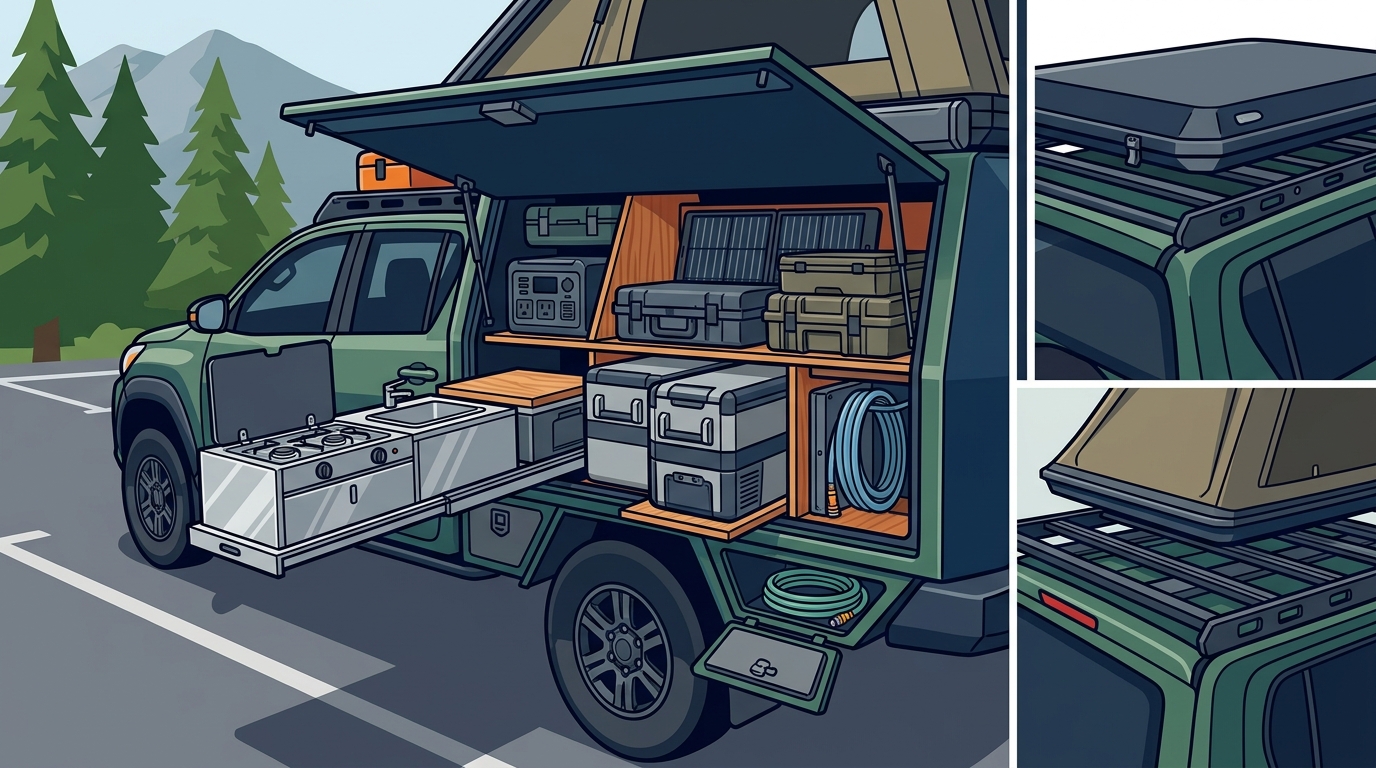
Chassis Selection and Roof Integration
Land Rover Defender 110S features a 3-person rooftop tent measuring 130 by 215 centimeters. Toyota FJ Cruiser offers identical tent dimensions with a 4000cc engine. Suzuki Jimny Sierra utilizes a 1500cc powertrain with a 140 by 200 centimeter sleeping platform. These configurations demonstrate how manufacturers prioritize structural integrity over cosmetic upgrades. Roof-mounted sleeping arrangements significantly reduce ground clearance requirements while maximizing interior cargo space. Operators must verify weight distribution metrics before approving any route assignment.
Interior Configuration Standards
Custom cabin layouts prioritize ergonomic seating arrangements and rapid conversion mechanisms. Fold-flat rear benches transform into flat sleeping surfaces within minutes. Storage compartments feature waterproof seals and modular shelving systems. Rental companies standardize these interior modifications to streamline cleaning protocols. Customers appreciate predictable layouts that eliminate learning curves during emergency situations. Quality control inspections verify every fastener and hinge before vehicle deployment.
Analyzing Pricing Models and Rental Flexibility
Transparent Cost Structures
Daily rates range from 19,800 yen to 33,000 yen depending on chassis size and seating capacity. Providers typically enforce a 48-hour minimum rental window to streamline cleaning and mechanical inspection workflows. Payment infrastructure now accepts PayPay and major international credit networks. This pricing structure ensures operational sustainability while maintaining competitive market positioning. Customers receive detailed breakdowns covering insurance premiums, mileage allowances, and cleaning fees. Transparent accounting prevents unexpected charges during the final settlement process.
Value-Added Service Packages
Optional equipment bundles include portable stoves, camping chairs, and navigation devices. Rental agencies partner with local suppliers to guarantee equipment availability across all branches. Customers can pre-order specialized gear to match their specific itinerary requirements. These add-on services significantly enhance trip comfort without increasing base rental costs. Agencies maintain strict quality standards for all supplementary equipment. Regular maintenance schedules ensure every accessory functions correctly during peak travel seasons.
Comparing Vehicle Capacity and Off-Road Capability
Four-Wheel-Drive Performance Metrics
Four-wheel-drive systems remain non-negotiable for unpaved mountain passes and coastal dirt tracks. The Defender 90SE accommodates three passengers with a recommended two-person seating arrangement for optimal comfort. Fuel efficiency metrics average between 8.4 kilometers per liter and 12 kilometers per liter across the current fleet. These performance benchmarks directly correlate with route selection and seasonal weather conditions. Drivers must monitor tire pressure and suspension settings before entering unmarked terrain. Regular mechanical inspections prevent unexpected breakdowns during remote expeditions.
Navigation and Safety Technology
Modern fleets integrate GPS tracking modules and emergency communication devices. Rental companies maintain real-time vehicle monitoring systems to assist with route planning. Drivers receive detailed topographical maps highlighting safe passage corridors. These technological upgrades significantly reduce navigation errors during adverse weather conditions. Agencies provide comprehensive safety briefings covering emergency procedures and equipment usage. Customers gain confidence knowing their vehicles meet rigorous safety compliance standards.
Understanding Reservation Protocols and Insurance
Booking and Confirmation Procedures
Advanced booking systems require explicit confirmation of vehicle selection, pickup timing, and optional gear requirements. Operators maintain strict liability frameworks that outline damage thresholds and fuel return policies. Customers must review the comprehensive rental terms before finalizing any transaction. This procedural rigor minimizes administrative friction during peak travel seasons. Agencies provide digital documentation covering all contractual obligations and liability waivers. Clear communication prevents misunderstandings regarding vehicle condition and usage guidelines.
Insurance Coverage and Liability Limits
Standard insurance packages cover collision damage, theft protection, and third-party liability. Customers can purchase additional coverage to reduce out-of-pocket expenses during minor incidents. Rental agencies maintain dedicated claims processing teams to expedite resolution procedures. Transparent policy documents outline exclusions and deductible amounts. Travelers benefit from comprehensive support networks that operate across multiple prefectures. Agencies prioritize customer safety while maintaining sustainable business operations.
Selecting the Optimal Base Location for Your Route
Metropolitan Hub Advantages
Tokyo and Fukuoka serve as primary distribution hubs for nationwide expedition planning. Early morning departures and late evening returns remain standard operating procedures for metropolitan branches. One-way rental configurations allow travelers to conclude their journey in a different prefecture. Geographic flexibility significantly reduces transit fatigue and expands itinerary possibilities. Agencies maintain dedicated customer service teams to assist with route optimization. Travelers receive personalized recommendations based on seasonal weather patterns and road conditions.
Regional Route Planning
Strategic branch locations enable seamless transitions between urban centers and remote wilderness areas. Customers can collect vehicles at major airports or central city locations. Rental agencies coordinate with local tourism boards to promote sustainable travel practices. These partnerships ensure accurate information regarding restricted zones and environmental regulations. Travelers benefit from curated route suggestions that highlight scenic viewpoints and camping sites. Agencies continuously update their database to reflect changing road infrastructure.
| Vehicle Model | Daily Rate (JPY) | Engine Capacity | Roof Tent Dimensions | Seating Capacity |
|---|---|---|---|---|
| Land Rover Defender 110S | 33,000 | 2000cc | 130cm x 215cm | 5 |
| Land Rover Defender 90SE | 29,800 | 2000cc | 130cm x 215cm | 3 |
| Toyota FJ Cruiser | 23,500 | 4000cc | 130cm x 215cm | 5 |
| Suzuki Jimny Sierra | 19,800 | 1500cc | 140cm x 200cm | 3 |
Key Takeaways
- Overland Vehicle is a purpose-built automobile engineered for extended off-grid travel and self-sufficient camping operations.
- Daily rental rates range from 19,800 yen to 33,000 yen across all available chassis platforms.
- Roof-mounted sleeping arrangements accommodate three passengers with standardized dimensions of 130 by 215 centimeters.
- Fuel efficiency metrics average between 8.4 kilometers per liter and 12 kilometers per liter depending on engine configuration.
- Operators enforce a strict 48-hour minimum rental window to streamline cleaning and mechanical inspection workflows.
- Tokyo and Fukuoka branches provide flexible pickup and drop-off locations for one-way expedition planning.
Frequently Asked Questions
What defines a custom camper van company in Japan?
A custom camper van company in Japan manufactures or modifies standard chassis with integrated living systems, rooftop tents, and specialized suspension components. These providers prioritize mechanical reliability and spatial efficiency over mass production standards. Customers receive vehicles that meet rigorous off-road performance requirements while maintaining domestic comfort. Rental agencies maintain strict quality control protocols to ensure every unit operates safely. Travelers benefit from predictable equipment layouts that eliminate learning curves during expeditions.
How do rooftop tent dimensions affect vehicle capacity?
Rooftop tent dimensions directly determine maximum sleeping capacity and weight distribution requirements. Standard platforms measure 130 by 215 centimeters or 140 by 200 centimeters to accommodate three adults. Operators calculate payload limits before approving any route assignment. Customers must verify weight distribution metrics before entering unmarked terrain. Agencies provide detailed specifications for every vehicle in their fleet. Transparent documentation prevents unexpected handling issues during transit.
What payment methods are accepted for rental reservations?
Rental agencies accept PayPay and major international credit networks including Visa and MasterCard. Customers receive digital invoices covering base rates, insurance premiums, and optional equipment fees. Payment processing occurs during the initial booking confirmation stage. Agencies maintain secure transaction systems to protect customer financial data. Travelers can complete reservations entirely online without visiting physical branches. Digital payment options streamline the entire booking workflow.
Can I return the vehicle in a different city?
One-way rental configurations allow travelers to conclude their journey in a different prefecture. Tokyo and Fukuoka branches coordinate vehicle transfers to maintain fleet availability. Customers pay a modest relocation fee to cover logistical expenses. Agencies provide detailed route planning assistance to optimize transit efficiency. Travelers benefit from flexible scheduling that accommodates changing itinerary requirements. Rental companies prioritize customer convenience while maintaining operational sustainability.
What safety equipment is included in standard rental packages?
Standard rental packages include GPS tracking modules, emergency communication devices, and first aid kits. Rental companies maintain real-time vehicle monitoring systems to assist with route planning. Drivers receive detailed topographical maps highlighting safe passage corridors. These technological upgrades significantly reduce navigation errors during adverse weather conditions. Agencies provide comprehensive safety briefings covering emergency procedures and equipment usage. Customers gain confidence knowing their vehicles meet rigorous safety compliance standards.
Book Your Adventure Today
Secure your preferred vehicle through our streamlined reservation system at %e3%81%94%e4%ba%88%e7%b4%84/. Our team provides personalized route planning assistance and equipment recommendations. Customers receive comprehensive safety briefings before departure. Visit https://overlandjapan.com/ to explore the complete fleet catalog. Reserve your custom camper van today and experience Japan unscripted.