
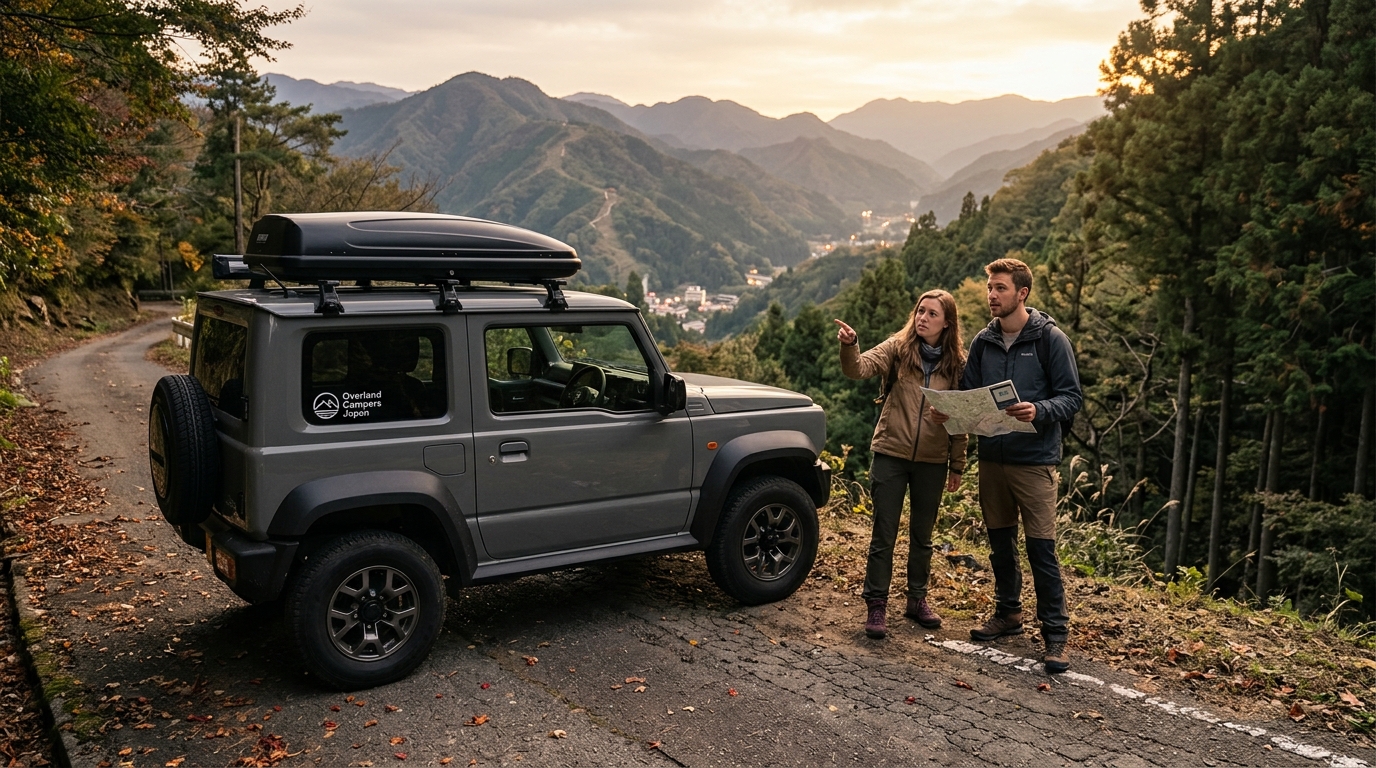
Planning a self-drive adventure in Japan offers unparalleled freedom, but the logistics differ significantly from Western road trips. According to recent tourism data, over 4.6 million international visitors explored Japan in the post-pandemic recovery phase, with a growing segment choosing overland travel to access remote natural landscapes. However, the margin for error is slim. A single oversight regarding parking regulations, vehicle dimensions, or fuel logistics can derail an entire itinerary. This guide outlines the critical operational pitfalls travelers encounter and provides the strategic framework to navigate Japan’s unique driving ecosystem safely. (Get in Touch with)
Understanding Vehicle Dimensions and Parking Constraints
The most frequent error involves underestimating the physical footprint of overland vehicles. Many travelers assume that because they have driven a standard SUV in their home country, they can navigate Japanese streets with ease. This is incorrect. Japan’s urban infrastructure was designed decades ago for smaller, more compact vehicles. The average width of a Japanese residential street is significantly narrower than in North America or Europe. (Renting a Camper Van)
When selecting a vehicle, you must consider the roof tent height. A Suzuki Jimny Sierra with a rooftop tent may appear manageable, but it adds nearly one meter to the vehicle’s height. This becomes critical when entering underground parking garages, which are common in Tokyo and Osaka. Most standard parking garages have a clearance limit of 1.5 to 2.1 meters. Exceeding this limit results in immediate denial of entry or, worse, vehicle damage. (Learn more)
Furthermore, the width of the Suzuki Jimny Sierra, while compact at approximately 1.48 meters, still requires careful maneuvering in tight alleyways. Overland vehicles like the Toyota FJ Cruiser or Land Cruiser Defender are wider and taller. They demand a higher level of spatial awareness. Before booking, review the specific dimensions of your chosen vehicle. If you are planning to stay in central Tokyo, such as near Shibuya or Shinjuku, consider the proximity to your base. Overland Japan offers locations in Yutenji and Naka-Meguro, which are strategically positioned to minimize time spent in dense urban traffic before heading to the open road.
Navigating Japan’s Strict Parking Regulations
Parking in Japan is not merely a logistical challenge; it is a legal minefield. The primary mistake travelers make is assuming that any empty space is available for overnight parking. This is false. Japan has some of the strictest parking laws in the world. Illegal parking can result in immediate towing, heavy fines, and significant delays to your trip.
There are two distinct types of parking to understand: Shakudo (private parking) and Koujou (public parking). Private parking spaces are strictly reserved for residents. Parking in a private space without permission is a serious offense. Public parking lots, or koujou, are available for short-term stays but are rarely permitted for overnight camping. Most public lots have a maximum stay limit of 24 hours.
Another critical error is parking on the side of the road. In Japan, parking on the shoulder of a highway or a narrow rural road is illegal unless explicitly marked with a designated parking bay. These bays are often small and may not accommodate a vehicle with a rooftop tent. Always look for official signage indicating permitted parking. If you see a blue sign with a white 'P', it is a paid parking lot. If you see a red sign with a crossed-out car, parking is prohibited.
To avoid these issues, utilize designated campgrounds or minshuku (family-run inns) that offer parking. Many rural minshuku welcome campers and provide access to water and electricity. Alternatively, use apps like Park4Night to find verified overnight parking spots. However, always verify the information with local authorities or your rental provider. Overland Japan provides detailed itineraries and parking recommendations for their clients to ensure compliance with local regulations.
Fuel Logistics and Refueling Strategies
Fueling an overland vehicle in Japan requires a different approach than in other countries. The first mistake is assuming that all gas stations accept credit cards. While major chains like Eneos and Idemitsu increasingly accept international cards, many smaller, rural stations are cash-only. Always carry sufficient Japanese Yen in small denominations.
The second mistake involves the type of fuel. Most overland vehicles, including the Suzuki Jimny and Toyota FJ Cruiser, run on regular unleaded gasoline. However, some older or specialized diesel vehicles require specific fuel types. Misfuelling is a costly error that can damage the engine. Always double-check the fuel cap label before refueling.
Another logistical challenge is the location of gas stations in rural areas. In remote regions of Kyushu or Hokkaido, gas stations can be sparse. It is a common mistake to let the tank drop below half a tank when traveling between towns. Always refuel when you see a station, even if you have plenty of fuel left. This is a standard safety protocol for overland travel.
Additionally, be aware of the ETC (Electronic Toll Collection) system. Japan’s expressways are expensive, and paying tolls manually can be time-consuming. If you are renting a vehicle, inquire about ETC card compatibility. Overland Japan vehicles are equipped with ETC systems, but you may need to provide your own ETC card or rent one. This system allows for seamless passage through toll gates, saving valuable time on long drives.
Itinerary Planning and One-Way Drop-offs
Many travelers attempt to cover too much ground in too little time. Japan’s mountainous terrain means that driving speeds are often slower than expected. A distance of 100 kilometers can take two hours or more due to winding roads and speed limits. The mistake of underestimating travel time leads to rushed itineraries and missed experiences.
Another critical error is ignoring the one-way drop-off policies. While Overland Japan offers one-way drop-offs between Tokyo and Fukuoka, this service comes with specific conditions and fees. Not all rental companies offer this flexibility. If you plan to end your trip in a different city from where you started, you must book this service in advance. Last-minute requests for one-way drop-offs are often denied due to vehicle logistics.
Furthermore, consider the seasonal road closures. In winter, many mountain passes in Japan close due to snow. This is particularly relevant for routes in the Japanese Alps or Hokkaido. Always check road conditions with the Japan Automobile Federation (JAF) before setting out. Overland Japan provides seasonal advice and vehicle configurations, such as snow tires, to ensure safety during winter months.
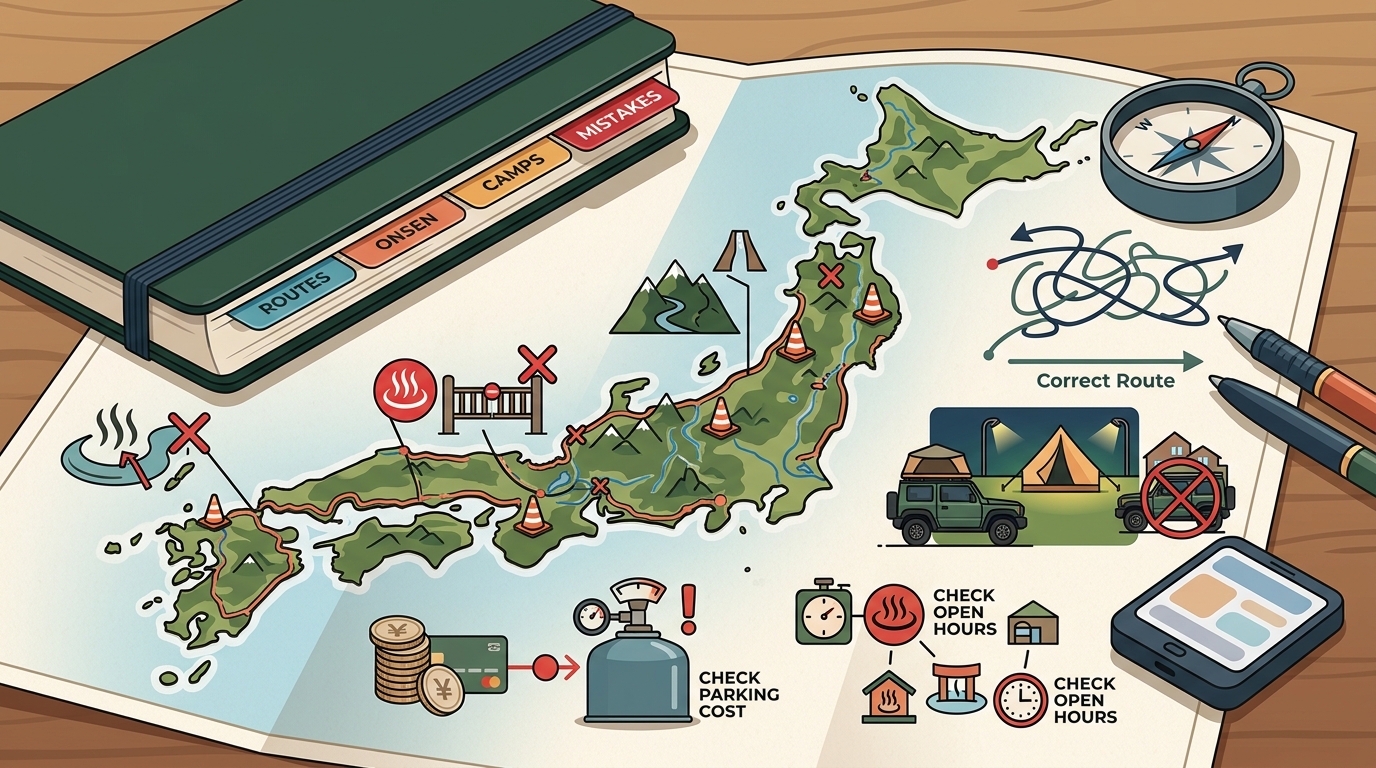
Camping Infrastructure and Waste Management
Japan is not a country with a widespread culture of wild camping. Unlike in North America or Europe, you cannot simply pull over and set up camp anywhere. The mistake of assuming wild camping is legal can lead to conflicts with landowners and local authorities. In Japan, camping is generally restricted to designated campgrounds or private land with explicit permission.
Another oversight is the lack of waste disposal facilities in rural areas. Japan has strict waste management laws. You are expected to take your trash with you. There are rarely public trash cans in rural areas or on hiking trails. Pack out all your waste, including food scraps and hygiene products. This is not just a recommendation; it is a legal and cultural expectation.
Water access is another critical factor. While many campgrounds provide water taps, wild camping spots rarely do. Ensure your vehicle’s water tank is filled at every opportunity. Overland Japan vehicles come with integrated water systems, but you must manage your supply carefully. Plan your daily water usage based on the distance to the next refill point.
Seasonal Preparation and Road Conditions
Japan’s climate varies significantly by region and season. The mistake of underestimating seasonal weather can lead to dangerous driving conditions. In summer, humidity and heat can be oppressive, and typhoons can disrupt travel plans. In winter, snow and ice make mountain roads treacherous. Even in spring and autumn, sudden weather changes are common.
Prepare your vehicle for the season. If traveling in winter, ensure your vehicle is equipped with snow tires or chains. Overland Japan offers winter-specific configurations for their vehicles. In summer, ensure your air conditioning is functioning properly and that you have adequate sun protection for your rooftop tent.
Additionally, be aware of monsoon season. From June to July, heavy rains can cause landslides and road closures, particularly in Kyushu and Shikoku. Monitor weather forecasts closely and have flexible backup plans. Overland Japan provides real-time support and can assist with itinerary adjustments if weather conditions deteriorate.
Key Takeaways
- Vehicle Dimensions: Always check the height and width of your camper against parking garage limits and narrow street widths.
- Parking Laws: Never park on the side of the road or in private spaces without permission. Use designated koujou or campgrounds.
- Fuel Strategy: Carry cash for rural gas stations and refuel before entering remote areas.
- One-Way Drop-offs: Book one-way rentals in advance if ending your trip in a different city.
- Waste Management: Pack out all trash. Public waste bins are rare in rural areas.
- Wild Camping: Wild camping is generally illegal. Use designated campgrounds or seek landowner permission.
- Seasonal Roads: Check mountain pass closures and weather forecasts before traveling in winter or monsoon season.
Frequently Asked Questions
Can I drive a camper van in Tokyo?
Yes, but it is challenging. Tokyo’s narrow streets and strict parking regulations make urban driving difficult. Overland Japan recommends picking up your vehicle in Yutenji or Naka-Meguro and heading to the outskirts quickly to minimize urban driving time.
Is wild camping legal in Japan?
No, wild camping is generally illegal in Japan. You must use designated campgrounds or obtain explicit permission from landowners. Overland Japan provides a list of recommended campgrounds for each region.
Do I need an international driving permit?
Yes, if your license is not in Japanese or English. An International Driving Permit (IDP) is required for most nationalities. Ensure your IDP is valid for the duration of your stay.
How do I pay for tolls?
Most overland vehicles are equipped with ETC cards. If not, you can pay manually at toll booths. Cash is essential for manual payments.
What happens if I return the vehicle late?
Overland Japan has a strict return policy. Delays over 30 minutes may result in cancellation fees. Always communicate with the team if you are running late.
Are rooftop tents safe in high winds?
Overland Japan vehicles are equipped with secure rooftop tent systems. However, always secure the tent properly and avoid camping in exposed, windy areas.
Can I drop off my camper in Fukuoka if I pick it up in Tokyo?
Yes, Overland Japan offers one-way drop-offs between Tokyo and Fukuoka. This service must be booked in advance and may incur additional fees.
Start Your Journey with Confidence
Avoiding these common mistakes ensures a safe, enjoyable, and memorable Japan camper van road trip. By understanding the unique logistical landscape, you can focus on the beauty of the open road. Overland Japan provides fully equipped, custom-built 4x4 camping vehicles ready for your adventure. Book your camper today and explore Japan unscripted.