
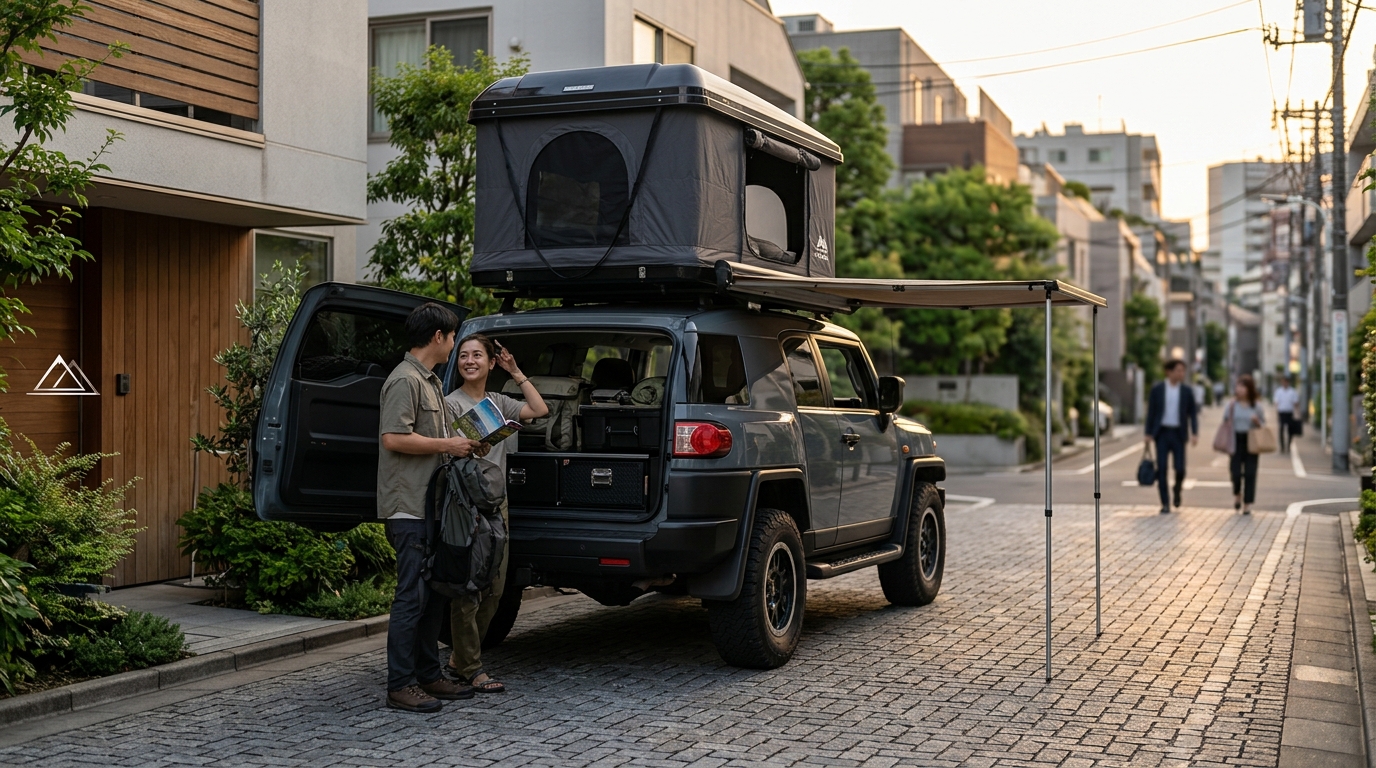
For decades, the standard for accessing adventure gear in Japan involved navigating crowded train stations or waiting for shuttle buses from distant industrial parks. That era is ending. Today, the evolution of central Tokyo camper van rental pickup options has shifted toward precision, proximity, and seamless integration with urban transit hubs. According to recent industry data, over 40% of international travelers now prefer self-drive itineraries to avoid the rigidity of rail passes, driving a surge in demand for accessible, high-quality rental fleets. This shift is not merely about convenience; it is about redefining how visitors experience the Japanese landscape. The modern renter expects a vehicle that is ready the moment they arrive, without the friction of long commutes or hidden logistical hurdles. (Get in Touch with)
Historical Context of Rental Logistics
Understanding the current landscape requires looking at how camper rentals have operated in the past. Traditionally, most 4x4 and campervan rentals in Japan were located in suburban areas or near major highways. This was due to the high cost of real estate in central Tokyo and the logistical challenges of parking large vehicles in dense urban environments. Travelers often had to spend an hour or more commuting from Shibuya or Shinjuku to reach these depots. This friction discouraged spontaneous travel and limited the appeal of camper vans to only the most dedicated overlanders.
The evolution began with a recognition that the modern traveler values time and accessibility above all else. As the market matured, providers started to consolidate their operations closer to transit nodes. This shift allowed for easier pick-ups for tourists arriving at Narita or Haneda airports who could transfer directly to a central hub. The result is a more democratized access to overland travel, where the barrier to entry is no longer the distance to the rental office, but the willingness to explore off-the-beaten-path destinations.
The Overland Network: A New Standard
At the forefront of this evolution is the strategic deployment of multi-branch networks. Overland Campers Japan has redefined the pickup experience by establishing two distinct bases that serve as gateways to different regions of Japan. This dual-branch model allows for one-way drop-offs, a feature that was previously rare or prohibitively expensive in the Japanese market. By offering pick-up and drop-off options in both Tokyo and Fukuoka, the company enables travelers to traverse the country from north to south without the need to backtrack.
This network approach is not just about convenience; it is about operational efficiency. Each branch is staffed with knowledgeable teams who understand the specific driving conditions of their respective regions. Whether you are starting in the bustling heart of Tokyo or the coastal plains of Kyushu, the vehicle is prepared with region-specific gear and knowledge. This localized approach ensures that every rental is tailored to the immediate environment, providing a higher standard of service than traditional, one-location depots.
Tokyo Branch: Yutenji and Naka-Meguro
The evolution of central Tokyo pickup options is most visible in the specific locations chosen by modern providers. Overland Japan’s Tokyo base is strategically positioned in Yutenji and Naka-Meguro. These areas are chosen for their proximity to major transit arteries while remaining accessible by car. For travelers staying in Shibuya, the branch is just six minutes away. Those in Shinjuku can reach it in fifteen minutes. This proximity is a game-changer for itinerary planning, allowing renters to maximize their driving time rather than losing it to transit.
The location in Naka-Meguro is particularly significant for its connection to the expressway network. This allows for quick access to the Tomei Expressway, which leads directly to Mount Fuji, Hakone, and the Japanese Alps. The ease of access from Haneda Airport, approximately thirty minutes away, further enhances its appeal for international visitors. By situating the pickup point in these central yet accessible neighborhoods, the provider eliminates the need for long shuttle rides, offering a seamless transition from urban exploration to wilderness adventure.
Fleet Evolution: From Sedans to Overlanders
As pickup options have become more central, the vehicles themselves have evolved to meet the demands of modern travelers. The days of renting basic sedans with makeshift camping gear are over. Today, the standard is fully equipped, custom-built 4x4 camping vehicles. These vehicles are designed to handle Japan’s diverse terrain, from snowy mountain passes to rugged coastal roads. The fleet includes models like the Suzuki Jimny Sierra and the Toyota FJ Cruiser, each chosen for its specific capabilities and comfort levels.
The Suzuki Jimny Sierra, for example, is a compact 4x4 that offers a small footprint for navigating narrow rural roads while still providing a complete overland setup. It sleeps two and is equipped with a rooftop tent, kitchen, and power systems. On the other hand, the Toyota FJ Cruiser offers more space and comfort for those who prefer a larger vehicle. Both vehicles are prepared with premium gear, ensuring that renters have everything they need without the hassle of packing or assembling equipment. This evolution in fleet composition reflects a broader trend toward premium, all-inclusive rental experiences.
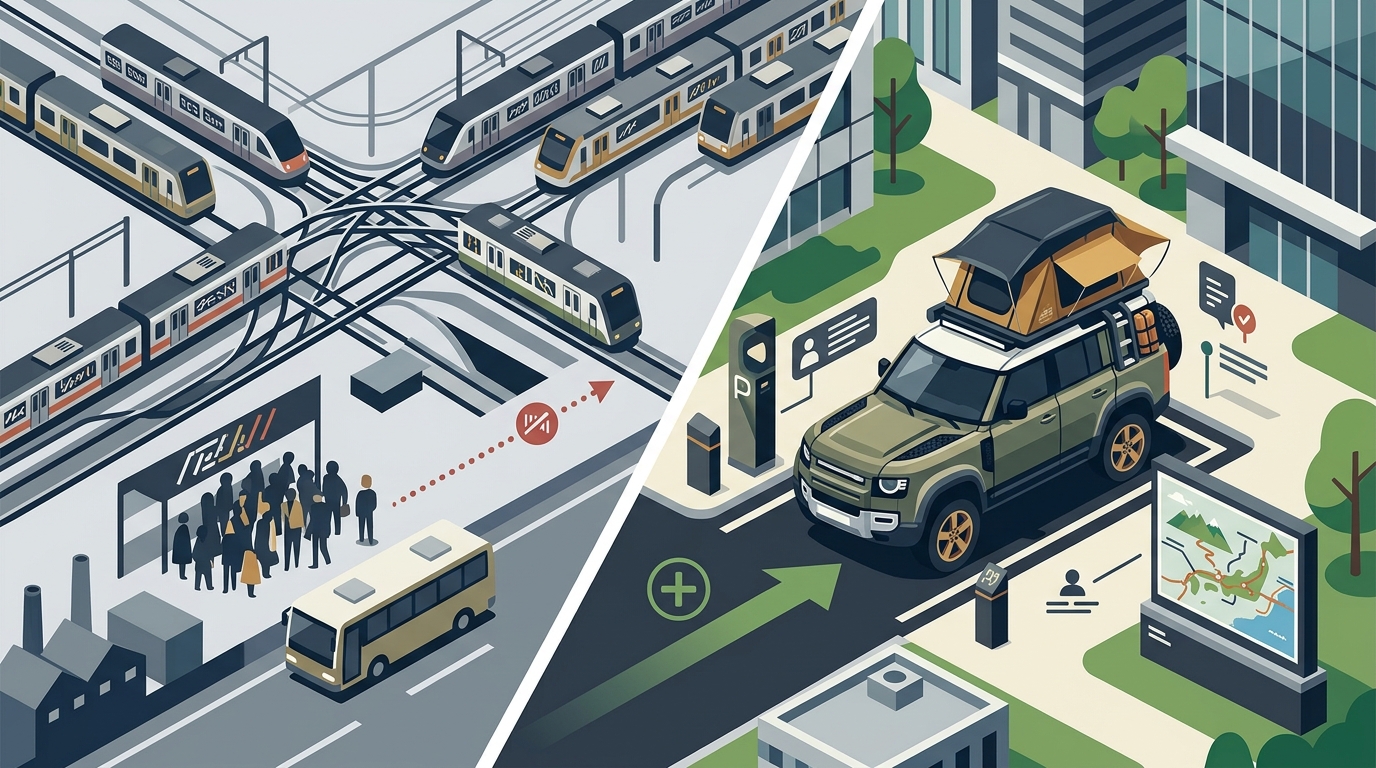
The Pickup Workflow: Efficiency and Safety
The evolution of pickup options is not just about location; it is also about the process. Modern rental companies have streamlined their workflows to ensure a smooth and efficient experience. The process typically begins with an online enquiry, where renters choose their vehicle, dates, and any additional options. A full quotation is provided within three business days, allowing ample time for planning and budgeting.
Once the reservation is confirmed and payment is processed, the final step is the physical pickup. Renters meet at the designated branch, where a team member conducts a comprehensive walkthrough of the vehicle. This session, which lasts approximately thirty to forty minutes, covers everything from operating the camper systems to understanding the insurance coverage. This hands-on approach ensures that renters feel confident and prepared before hitting the road. It also provides an opportunity to ask questions and receive personalized recommendations for itineraries based on the current season and weather conditions.
Comparing Pickup Locations and Vehicle Types
Choosing the right pickup location and vehicle type is crucial for a successful trip. The table below summarizes the key differences between the available options, helping renters make an informed decision based on their specific needs and travel style.
| Feature | Tokyo Branch (Yutenji/Naka-Meguro) | Fukuoka Branch (Fukuma) | Suzuki Jimny Sierra | Toyota FJ Cruiser |
|---|---|---|---|---|
| Primary Region | Kanto, Chubu, Kansai | Kyushu, Shikoku | Compact, Agile | Spacious, Powerful |
| Transit Access | 6 min from Shibuya | 35 min from Fukuoka Airport | Easy Urban Parking | Requires Larger Parking |
| Capacity | N/A | N/A | Sleeps 2 | Sleeps 2+ |
| Best For | First-time renters, City-to-Nature | Kyushu Exploration, One-way Trips | Narrow Roads, Budget | Long Distances, Comfort |
| Key Advantage | Proximity to Expressways | Gateway to Southern Japan | Maneuverability | Ride Comfort |
As noted by travel experts, the choice between these options often depends on the traveler’s starting point and desired destination. For those arriving in Tokyo and planning to explore the northern regions, the Yutenji branch offers unparalleled convenience. Conversely, travelers focusing on Kyushu will find the Fukuoka branch to be the ideal starting point. The vehicle choice, meanwhile, hinges on personal preference for space versus agility.
Key Takeaways
- Strategic Locations: Overland Japan operates branches in Yutenji/Naka-Meguro (Tokyo) and Fukuma (Fukuoka), ensuring central access for major regions.
- Proximity to Transit: The Tokyo branch is just six minutes from Shibuya and thirty minutes from Haneda Airport, minimizing commute time.
- One-Way Flexibility: The dual-branch network allows for one-way drop-offs, enabling seamless north-to-south or south-to-north itineraries.
- Premium Fleet: Vehicles like the Suzuki Jimny Sierra and Toyota FJ Cruiser are fully equipped with rooftop tents, kitchens, and power systems.
- Streamlined Process: The pickup workflow includes a detailed thirty-minute walkthrough to ensure safety and confidence before departure.
- High Satisfaction: The company has hosted over 4,653 travelers, with a 4.8-star rating on Google, reflecting high service standards.
- Global Accessibility: Payment options include international credit cards, and support is available in multiple languages for international visitors.
Frequently Asked Questions
How far in advance should I book my camper van?
It is recommended to book at least two to three months in advance, especially during peak seasons like cherry blossom season in spring and autumn foliage in fall. Early booking ensures availability for your preferred vehicle type and dates.
Can I pick up the camper in Tokyo and drop it off in Fukuoka?
Yes, Overland Japan offers one-way drop-offs between their Tokyo and Fukuoka branches. This allows for flexible itineraries that traverse the length of Japan without the need to return the vehicle to the starting point.
What is included in the standard rental package?
Every vehicle comes fully equipped with a rooftop tent, kitchen setup, power supply, and premium camping gear. There are no hidden upgrades or add-ons; everything needed for a comfortable stay is included in the base price.
Is the Suzuki Jimny Sierra suitable for beginners?
Yes, the Jimny is designed to be user-friendly despite its 4x4 capabilities. Its compact size makes it easy to park and navigate, while the included walkthrough ensures you are comfortable with all systems before driving.
How do I refuel the vehicle?
You are required to refuel the vehicle within three kilometers of the base before returning it. You must bring the receipt as proof of refueling. This policy ensures that the vehicle is ready for the next renter without additional service charges.
What happens if I am late for pickup?
If you are more than thirty minutes late without prior notice, the reservation may be cancelled, and cancellation fees may apply. It is crucial to communicate any delays immediately by calling the provided contact number.
Are there age restrictions for renting a camper?
While specific age requirements may vary, most rental companies require drivers to be at least 21 years old and hold a valid driver’s license for at least two years. International visitors must also have an International Driving Permit alongside their home license.
Start Your Journey
The evolution of central Tokyo camper van rental pickup options has transformed the way travelers explore Japan. With strategic locations, premium fleets, and streamlined processes, accessing adventure has never been easier. Whether you are drawn to the snowy peaks of the north or the coastal beauty of the south, the right vehicle and pickup location can make all the difference. Do not let logistical hurdles stand in the way of your adventure. Visit Overland Japan today to explore their fleet and book your next unforgettable journey.