
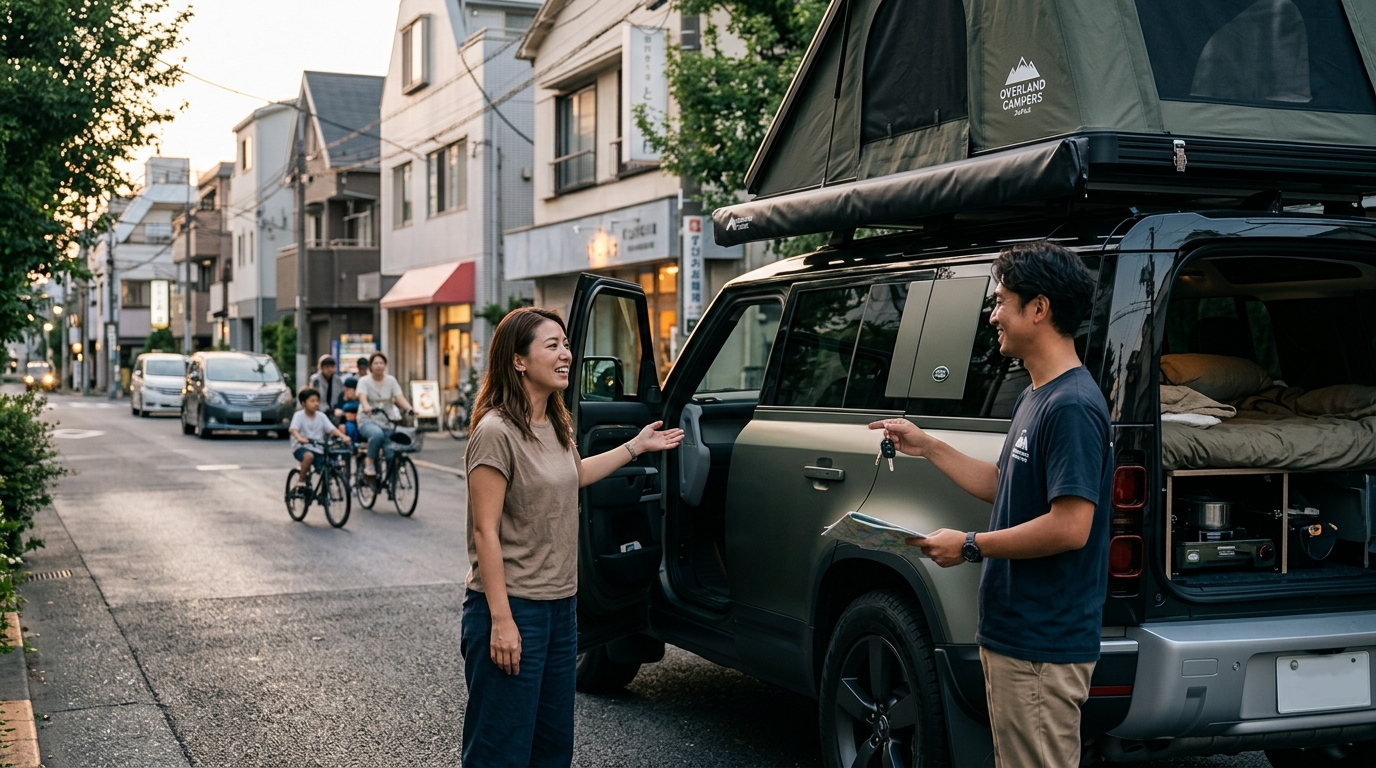
Securing a reliable camper van in Tokyo requires precise coordination due to the city's dense traffic patterns and strict parking regulations. According to recent tourism data, over 30 million international visitors arrived in Japan in 2024, creating a surge in demand for self-drive travel options. This guide outlines the exact procedures for collecting your vehicle from Overland Japan, ensuring a seamless transition from the airport to the open road. (Contact Us)
Preparation and Documentation
Before you even leave your hotel, ensure your paperwork is in order. The most critical document for driving in Japan is an International Driving Permit (IDP). This permit must be obtained in your home country before you travel to Japan. It is not issued within Japan, and without it, you cannot legally drive a rental vehicle.
Additionally, you must hold a valid driver's license from your home country. The IDP serves as a translation of your license and is recognized under the 1949 Geneva Convention on Road Traffic. Japan is a signatory to this convention, making the IDP a mandatory legal requirement for all foreign drivers.
Overland Japan requires a credit card for the security deposit. Debit cards are generally not accepted for large deposits due to the hold periods involved. Ensure your card has sufficient limit to cover the deposit, which typically ranges from 50,000 to 100,000 JPY depending on the vehicle class. This deposit is fully refundable upon the safe return of the vehicle. (About)
Review your rental agreement carefully. Overland Japan provides comprehensive insurance options, but understanding the excess fee is crucial. If you opt for the basic coverage, you may be liable for a significant portion of any damage. Upgrading to full coverage provides peace of mind, especially when navigating narrow urban streets.
Meeting at the Pickup Point
Central Tokyo offers several convenient pickup locations, but the most popular is near major transit hubs like Shinjuku or Tokyo Station. Overland Japan operates from a dedicated facility in the Shinjuku area, which is easily accessible via the Yamanote Line. This location is chosen for its proximity to major highways, allowing for quick exit from the city center.
Arrive at least 15 minutes before your scheduled time. Traffic in Shinjuku can be unpredictable, and parking near the rental office is limited. If you are arriving from Narita or Haneda Airport, consider taking the Keisei Skyliner or Narita Express to Shinjuku. This avoids the stress of driving in Tokyo traffic immediately after a long flight.
Bring your passport, IDP, and home country license to the counter. The staff will verify your documents and process the credit card hold. This process usually takes about 10 to 15 minutes. If you have requested specific equipment, such as camping chairs or kitchen kits, confirm their availability at this stage.
Overland Japan also offers a shuttle service from nearby stations for customers who prefer not to walk with luggage. Contact your rental agent in advance to arrange this. Clear communication ensures that your vehicle is ready and waiting for you upon arrival.
Vehicle Inspection and Handover
The vehicle inspection is the most critical step in the pickup process. You will walk around the camper van with a rental agent who will document any existing scratches, dents, or interior wear. Use your smartphone to take timestamped photos of every angle of the vehicle. This visual evidence protects you from being charged for pre-existing damage.
Check the fuel level. Most camper vans are provided with a full tank of fuel. Ensure the gauge reads "Full" before you leave the lot. If the tank is not full, note the discrepancy on the handover sheet. Overland Japan provides a fuel receipt system to prove refueling if you return the vehicle with less fuel.
Inspect the interior amenities. Test the stove, refrigerator, and water pump. Ensure the heating and air conditioning systems are functional. Check that all windows open and close properly. Verify that the bed configuration is as expected. Any issues found during this inspection must be reported immediately to the agent.
Confirm the location of the spare tire, jack, and warning triangle. These items are legally required in Japan and must be accessible. Overland Japan ensures all vehicles are equipped with these items, but knowing their location saves time in an emergency.
Navigation and Safety Briefing
Japan uses a unique address system that can be confusing for foreigners. Instead of street names, addresses are based on block numbers. This is why a GPS device or smartphone navigation app is essential. Overland Japan provides a portable GPS unit with your rental. Ensure you understand how to input your first destination.
Download offline maps before you leave the pickup point. Cellular data can be unreliable in mountainous regions or tunnels. Google Maps and Apple Maps work well in Japan, but having a backup like Maps.me is advisable. Overland Japan also offers a detailed route guide for popular destinations, which includes parking recommendations.
Understand the toll road system. Japan has an extensive network of expressways, but they are expensive. ETC (Electronic Toll Collection) cards are available for rent, which provide discounts and faster passage through toll gates. Overland Japan can assist with setting up an ETC card if you plan to use expressways frequently.
Learn the basic traffic rules. Drive on the left side of the road. Speed limits are strictly enforced, and cameras are common. The speed limit on expressways is typically 100 km/h, but this varies by section. Adhering to speed limits is not just a legal requirement but a safety necessity in dense traffic areas.
Driving in Tokyo: Key Considerations
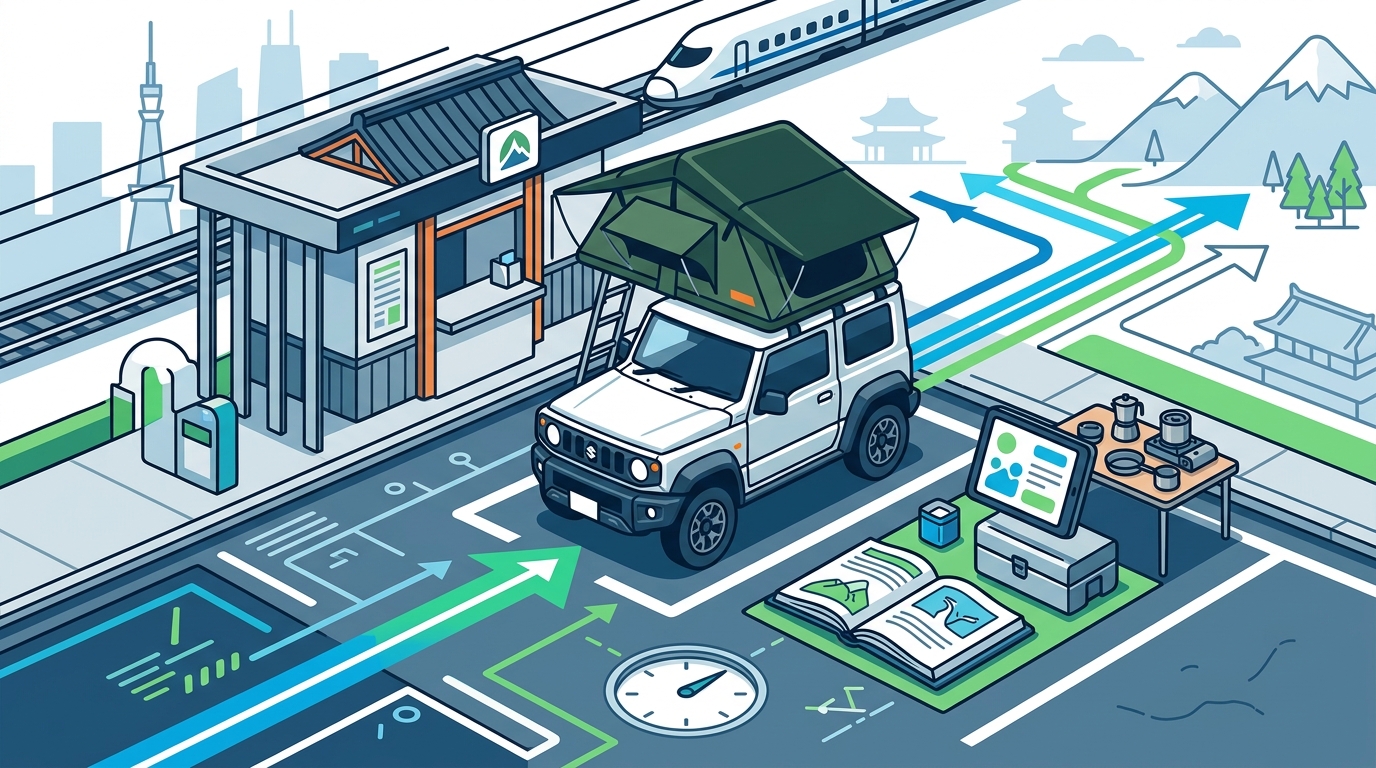
Tokyo traffic is heavy, especially during rush hours. Avoid driving between 7:00 AM and 9:00 AM and 5:00 PM to 7:00 PM if possible. The congestion can add hours to your travel time. Plan your departure times to avoid peak periods. Overland Japan provides traffic update services via their website for real-time conditions.
Parking in Tokyo is scarce and expensive. Many hotels do not have parking, and street parking is limited. Use designated parking lots, known as "P" lots. These are found near most commercial areas and attractions. Rates vary but typically range from 200 to 500 JPY per hour. Overland Japan offers a list of recommended parking spots for popular tourist destinations.
Be aware of narrow streets. Many residential areas in Tokyo have streets too narrow for large camper vans. Stick to main roads and avoid shortcuts through residential neighborhoods. The width of your vehicle is a critical factor in route planning. Overland Japan provides vehicle dimensions for each model to help you plan your route.
Respect local customs. Japanese drivers are generally polite and follow rules strictly. However, be cautious of pedestrians and cyclists, who may not always yield to vehicles. Always signal your intentions early. Clear communication with other road users is key to safe driving in a foreign country.
Service Options Comparison
Overland Japan offers different vehicle classes to suit various travel styles. Choosing the right vehicle depends on your group size, budget, and destination. The table below compares the most popular options available for pickup in Central Tokyo.
| Vehicle Type | Capacity | Best For | Key Feature |
|---|---|---|---|
| Mini Camper Van | 1-2 People | Couples, Solo Travelers | Easy Parking |
| Standard Camper Van | 2-4 People | Small Families, Friends | Built-in Kitchen |
| SUV Camper | 2-3 People | Off-Road Access | High Ground Clearance |
| Large Camper Van | 4-6 People | Groups, Extended Trips | Full Bathroom |
The Mini Camper Van is ideal for navigating tight city streets and narrow mountain roads. It offers basic sleeping and cooking facilities. The Standard Camper Van provides more space and comfort, suitable for longer trips. The SUV Camper is designed for off-road adventures, allowing access to remote camping spots. The Large Camper Van offers the most amenities, including a shower and toilet, making it suitable for extended family travel.
Each vehicle class comes with standard equipment, including bedding, kitchenware, and lighting. Overland Japan ensures all vehicles are well-maintained and cleaned before each rental. Regular maintenance checks are performed to ensure safety and reliability.
Key Takeaways
- Documentation: An International Driving Permit (IDP) is mandatory and must be obtained before traveling to Japan.
- Deposit: A credit card is required for the security deposit, typically 50,000 to 100,000 JPY.
- Location: The Shinjuku pickup point is central and easily accessible via public transport.
- Inspection: Document pre-existing damage with photos to avoid false charges.
- Navigation: Use a GPS device and download offline maps for areas with poor connectivity.
- Tolls: Consider renting an ETC card for discounts on expressway tolls.
- Parking: Plan parking in advance, as street parking is limited in Tokyo.
Frequently Asked Questions
Can I drive in Japan with my home country license alone?
No, you must have an International Driving Permit (IDP) along with your valid home country license. The IDP is a legal requirement in Japan for foreign drivers.
Where is the Overland Japan pickup location in Tokyo?
The primary pickup location is in Shinjuku, near the Shinjuku Station area. This location is chosen for its convenience and proximity to major highways.
What happens if I return the van with less fuel?
You will be charged for the missing fuel at a rate higher than local gas stations. It is recommended to refuel before returning the vehicle to avoid these fees.
Is insurance included in the rental price?
Basic insurance is included, but it comes with an excess fee. Overland Japan offers optional full coverage insurance to reduce or eliminate the excess fee.
Can I pick up the van at Narita Airport?
Direct pickup at Narita Airport is not available. However, you can take a shuttle or train to the Shinjuku location. Overland Japan provides detailed instructions for this transfer.
Are there any restrictions on where I can drive?
There are no specific geographic restrictions, but some remote roads may be unsuitable for certain vehicle types. Overland Japan provides guidance on suitable routes for each vehicle class.
How do I pay for toll roads?
You can pay with cash at toll booths or use an ETC card. Overland Japan can assist with renting an ETC card for a more convenient and discounted experience.
Book Your Adventure
Ready to explore Japan at your own pace? Secure your camper van today and start planning your route. Visit Overland Japan to view available vehicles and book your rental. Our team is ready to assist you with any questions about your trip.